







More Than an Art Class: Building Resilience with Young Rembrandts
When you think about enrolling your child in an art class, you may picture colorful drawings, creative projects, and a fun way to spend an afternoon. And while those are certainly part of the experience, Young Rembrandts can offer children something even more valuable: the opportunity to practice persistence, build confidence, and develop resilience.
 Can you feel the holiday stress in the air? I can—and I don’t even have kids at home anymore! The holidays bring a flurry of extra activity for families, and it’s the kind of excitement that can be especially overwhelming for our neurodivergent children.
 How can we best support our right-brain, creative thinkers in this tech-driven environment? The answer lies in something beautifully simple and timeless: hands-on learning. Whether at school or at home, right-brain thinkers thrive when they can touch, build, create, and experience what they’re learning.
 By middle and high school, many parents stop going to Parent-Teacher Conferences. But for right-brain thinkers—visual, creative, ADHD learners—these meetings are essential.
 Curriculum or Meet the Teacher Night may seem less important as kids get older, but for right-brain thinkers—creative, visual, and often ADHD learners—it’s one of the best chances you’ll have to understand how your child’s school year is really going to unfold.
 In today’s tech-heavy classrooms, traditional art education is often pushed to the sidelines. But at Young Rembrandts, we believe something essential is missing—and we’re on a mission to bring it back.
 As parents and educators, one area we don’t always stop to consider is how our children’s unique learning style, especially right-brain thinking, impacts their friendships. Right-brain thinkers are intuitive, emotional, imaginative, and expressive. These children often see the world in pictures and patterns rather than words and numbers. They feel things deeply, pick up on emotional cues quickly, and may communicate in ways that are more symbolic than straightforward. So what does this mean for their friendships?
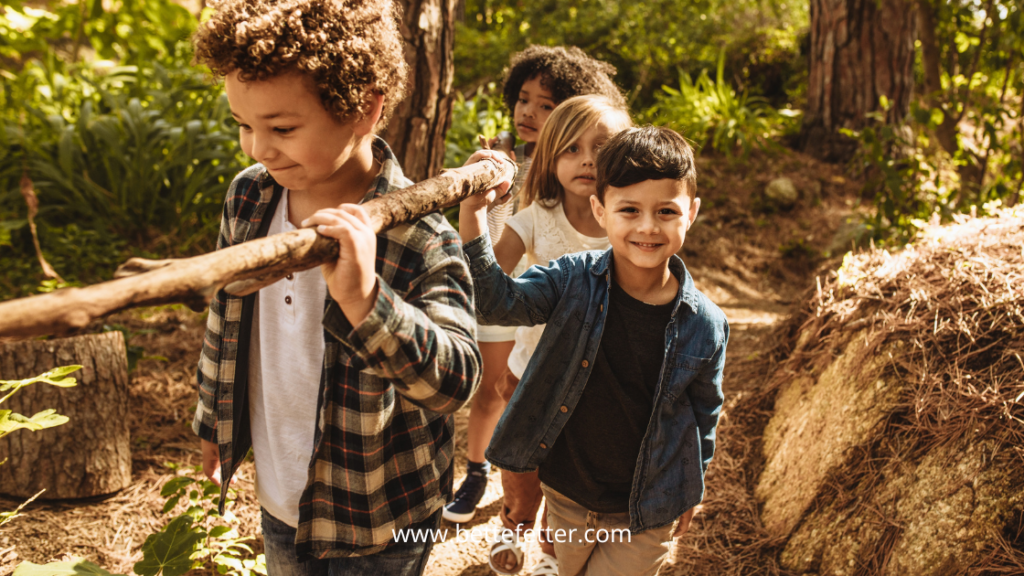 In this digital age, it’s more important than ever to encourage our little ones to step away from screens and dive into the wonders of an analog summer. Here are some delightful activities that not only entertain but also nurture creativity, physical health, and family bonds—perfect for creating cherished memories.
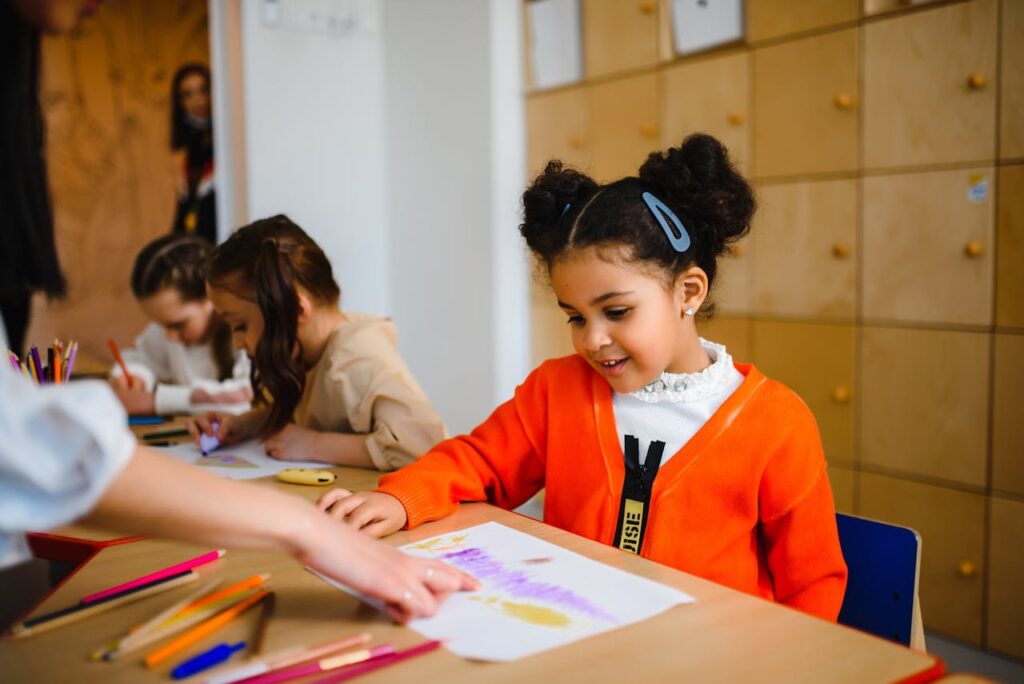 When our children engage in activities like art, music, dance, or visual arts, it’s not solely about training them to become professional artists in the future. Instead, it’s about enriching their educational journey in profound ways. Sometimes, the impact of arts education on a person’s life trajectory is direct and significant. Take, for instance, the story of Cindy, as shared in an excerpt from my book, “Being Visual.”
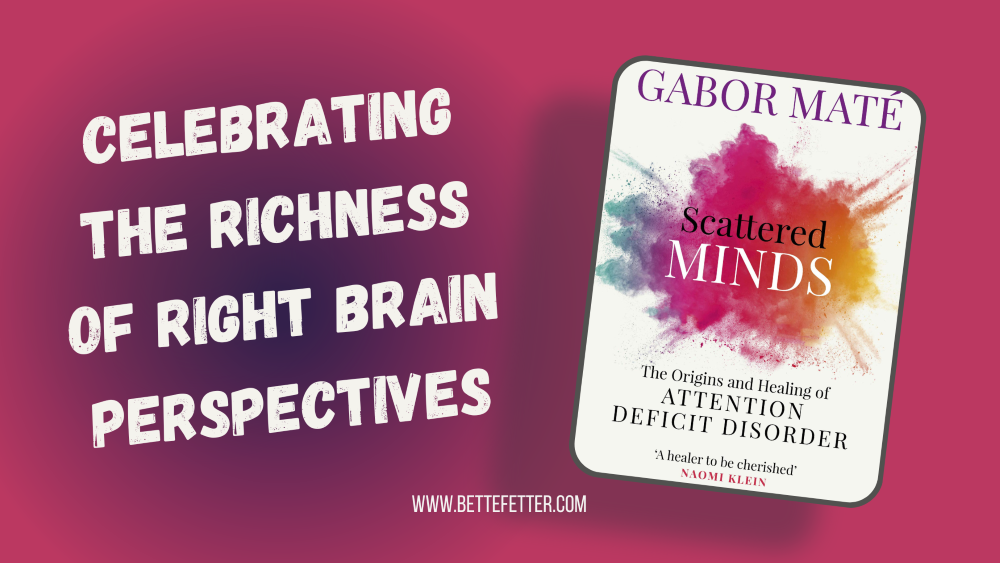 I wanted to share with you an inspiring perspective I recently encountered in the pages of “Scattered Minds” by Dr. Gabor Maté. Dr. Maté paints a picture of ADHD as not just a disorder, but a different way of experiencing the world—one that is characterized by heightened creativity, intuition, and sensitivity to the environment, all traits of right-brain thinkers.