







Embracing Creativity: Preparing Children for the Future Workplace
 In today’s rapidly evolving world, the landscape of the workplace is undergoing a profound transformation. The skills once assumed essential for success are expanding beyond traditional academic abilities. As we prepare our children for the future, it becomes crucial to recognize the value of right-brain skills in shaping their success in the workplace.
 As we step into the New Year, embracing organization can be a game-changer, especially for children and adults with right-brain dominance who grapple with internal order.
 The traditional educational model emphasizes rote learning and standardized testing, geared towards producing individuals adept at following instructions and recalling facts. While essential for building foundational knowledge, this approach often sidelines the development of creative thinking skills. As parents, it’s critical that we actively advocate for the integration of creative thinking into our children’s education.
 As much as technology offers incredible learning opportunities, finding a balance between screen time and tried-and-true hands-on activities is a vital piece of the parenting puzzle.
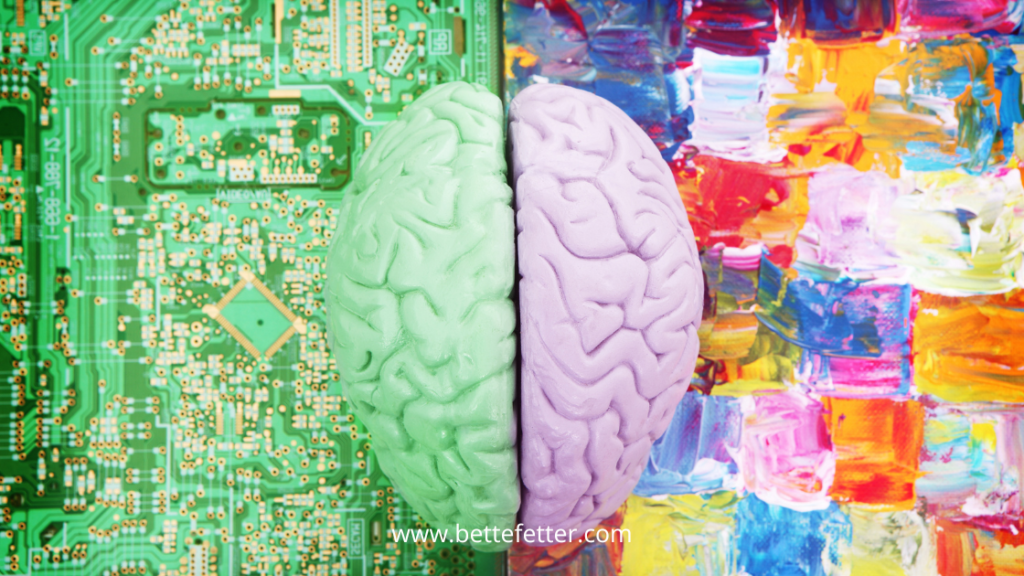 On this blog, I have written a lot about the idea of being “right-brained” or “left-brained.” This concept, rooted in how our brains work, is often used to describe our children’s cognitive tendencies. But what does it really mean, and how can it help you understand and support your child’s unique abilities?
 Artistic thinking is not just for budding Picassos or future concert pianists; it’s a valuable skill that can be nurtured in all children. Let’s explore the importance of teaching artistic thinking to kids and get some practical strategies for nurturing their creative minds.
 It’s conference time at many of our schools, and I want to chat with you about approaching them in a different light, especially if you have a right-brain thinker or a child with ADD or ADHD. While it’s crucial to hear the teacher’s feedback on how your child is doing in the classroom, it’s equally important to engage in a conversation about your child as a right-brain thinker.
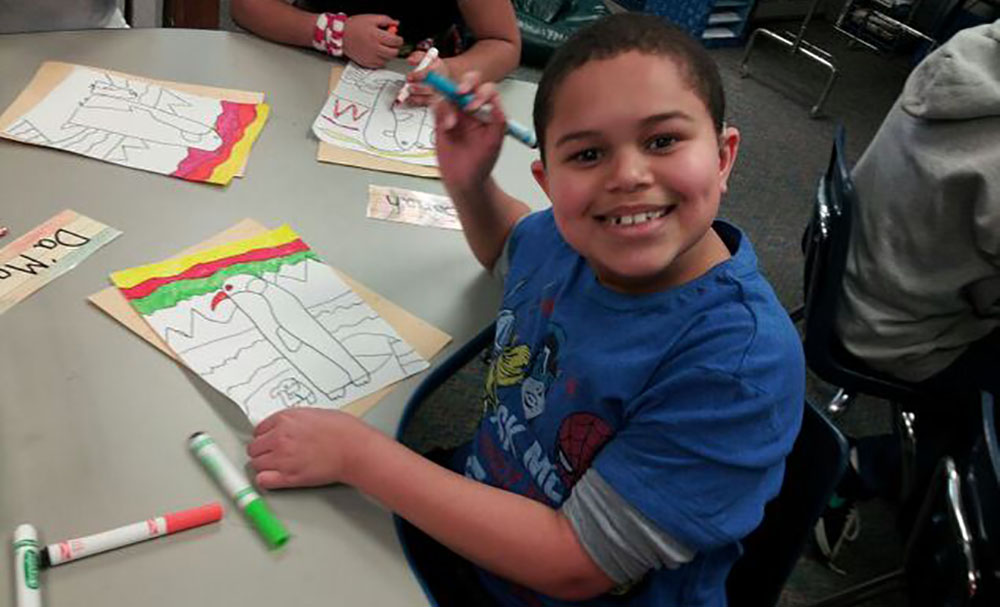 If you have a left-brain kid who’s nervous about doing art, Young Rembrandts classes are perfect for them. Young Rembrandts’ unique method helps kids gain great security and comfort doing art in several ways:
 Have you ever noticed that when your kids come home from school, they start off all smiles but quickly descend into yelling, crying, and even throwing things, seemingly out of the blue?
 In today’s fast-paced digital world, education has taken on a new dimension, with technology-based classrooms becoming the norm. However, as parents, you might wonder how you can best support your right-brain dominant child. The answer lies in integrating hands-on learning into their educational journey, both inside and outside the digital classroom. Let’s delve into the reasons behind this approach and provide practical tips on how you can foster a holistic learning experience for your child.