







Exciting News for Right-Brain Thinkers!
 Discover how the recognition of dyslexic thinking is reshaping the way we value creativity, problem-solving, and innovative thought. Dive into the strengths of right-brain skills and join the conversation on embracing these unique abilities for a brighter future.
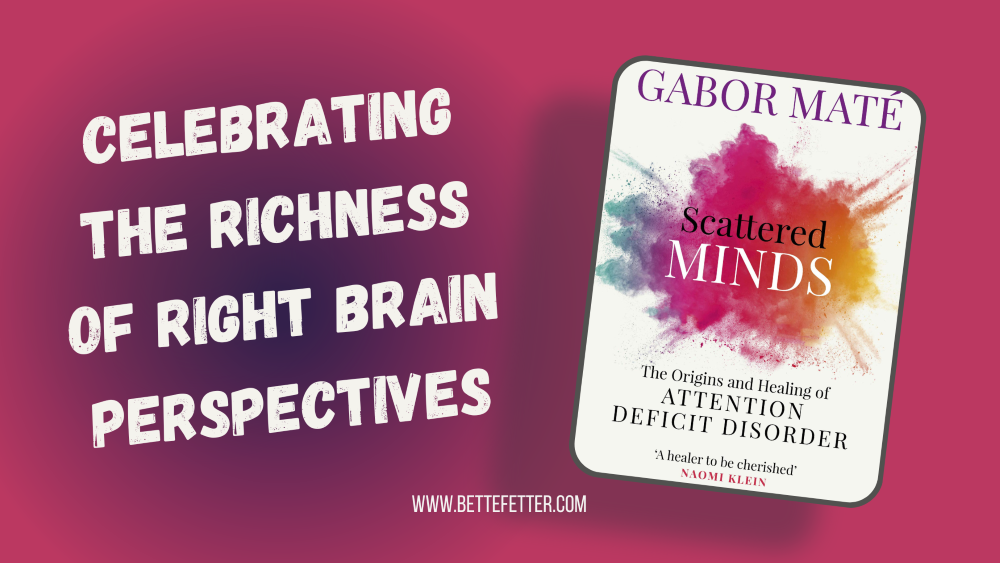 I wanted to share with you an inspiring perspective I recently encountered in the pages of “Scattered Minds” by Dr. Gabor Maté. Dr. Maté paints a picture of ADHD as not just a disorder, but a different way of experiencing the world—one that is characterized by heightened creativity, intuition, and sensitivity to the environment, all traits of right-brain thinkers.
 As we gear up for the back-to-school hustle, I’ve got a few cool ideas to keep you sailing smoothly through this transition and rocking the organization game all year long.
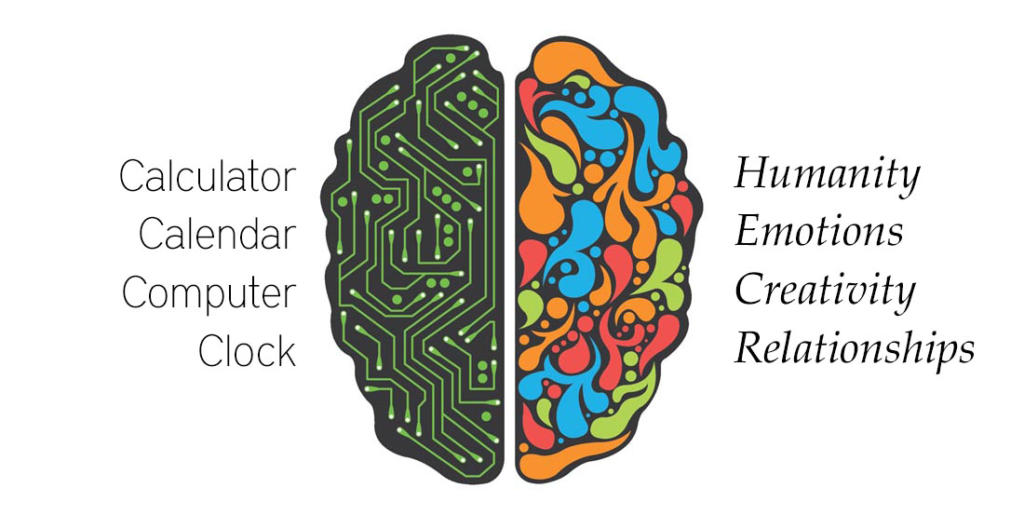 Everyone’s brain is divided into two sides, which are equally important and necessary. The problem is the left side thinks it’s the boss but it’s not. The right brain is designed to lead. And when it doesn’t there are serious consequences.
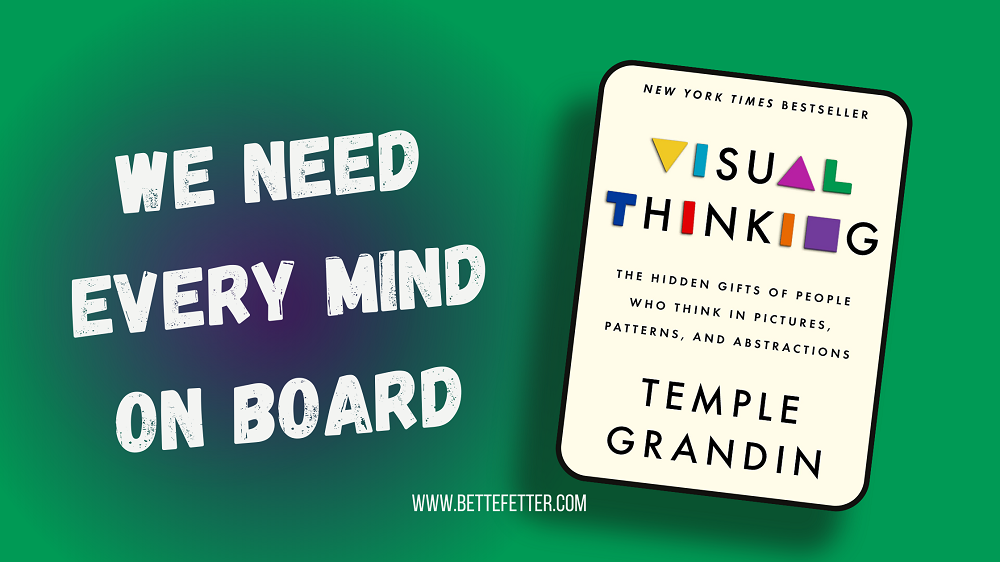 Temple Grandin’s newest book, Visual Thinking, is a must read for anyone raising or educating children in the 21st century as we begin to see the need for every type of mind to be on board for our ride into the future.
 Today is National Inspire Your Heart with Art day! A day to experience and appreciate art in your life. Here are 11 great ways to fit art into your life today and everyday!
 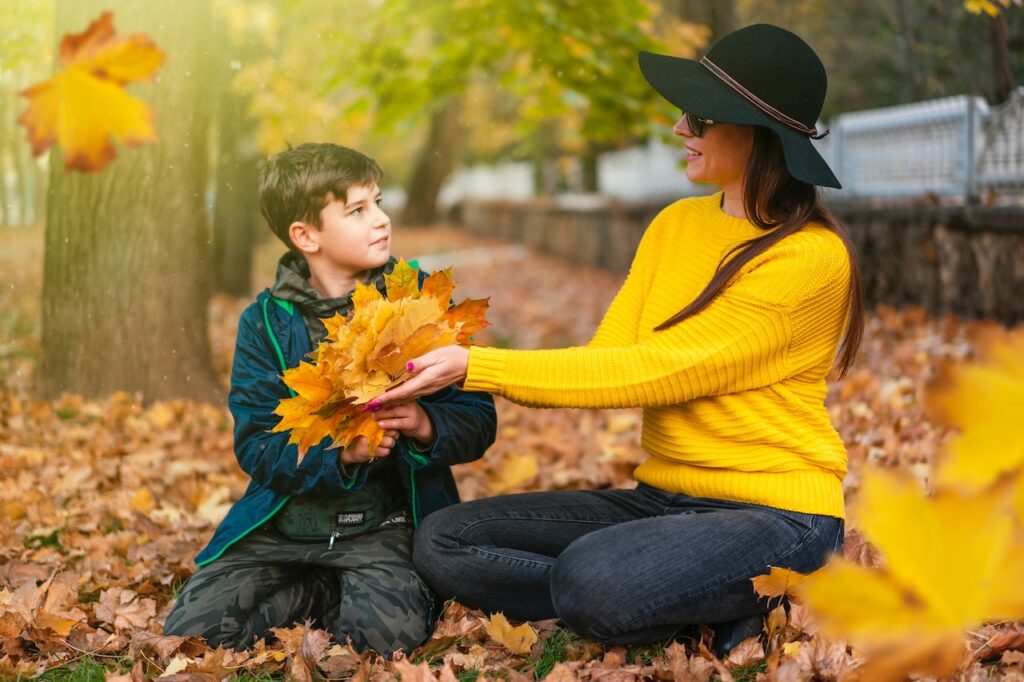 A gratitude mindset involves regularly making the shift from disappointment and expectation to appreciation and thankfulness. And, research shows the earlier a gratitude mindset is instilled, the happier and more resilient we are. So, let’s find ways for our kids to notice and share their gratitude.
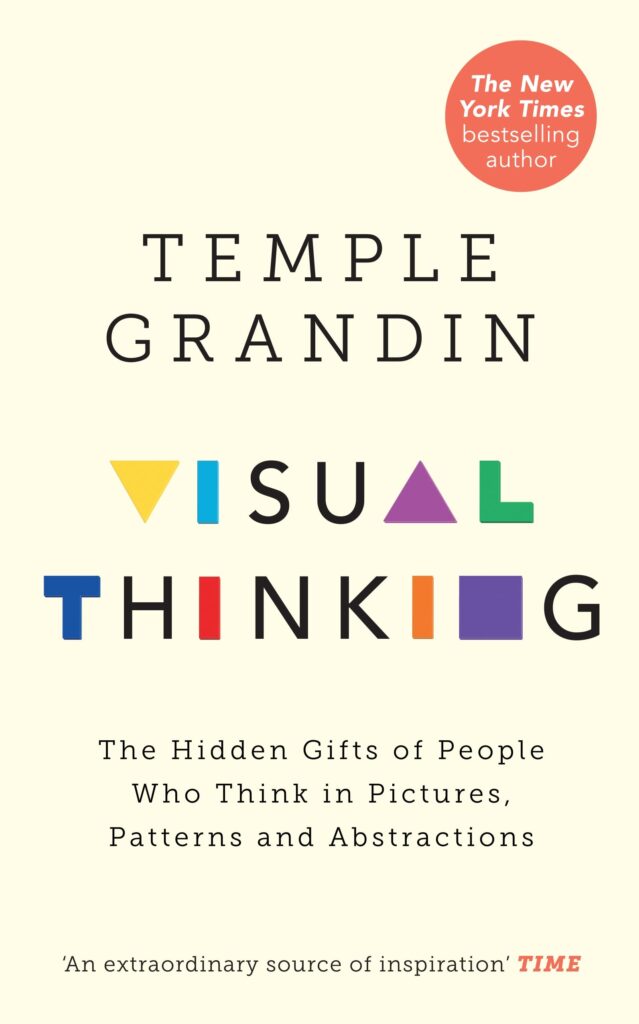 Temple Grandin introduced us to the world of visual thinking as it relates to Autism Spectrum Disorders and other forms of neurodivergence in her first book, Thinking in Pictures. It was also made into a movie that does a great job illustrating what it’s like to be a visual thinker. So, I was so excited to hear that she has just released a new book, Visual Thinking.
 Children need to feel heard, validated, accepted, and understood by those closest to them. They need a safe space to express those big emotions and they need to learn how to manage them in a healthy and adaptive way.
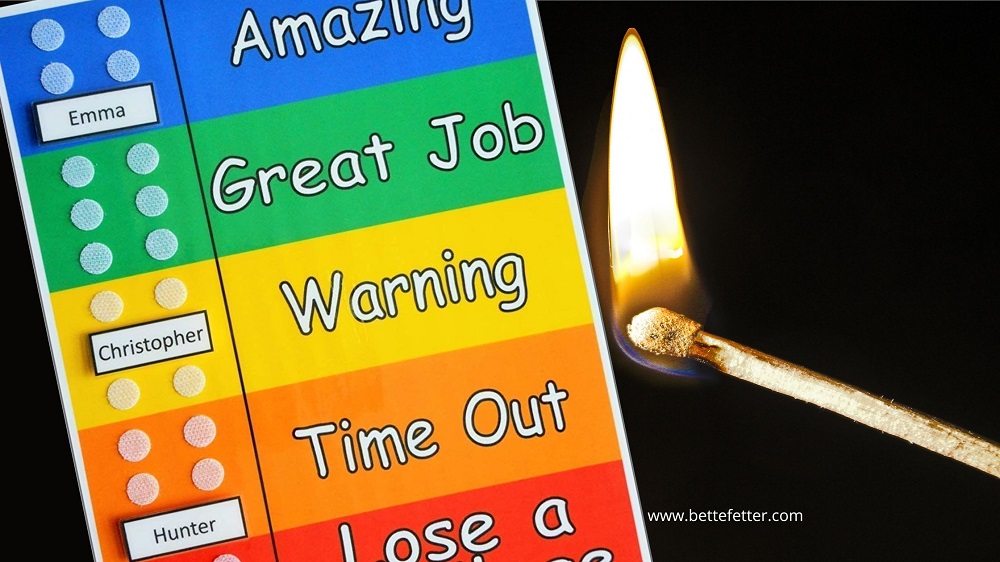 Research shows that the more our students feel safe in the classroom, the more they will learn. There are so many other ways to build a strong, safe classroom community. So, what should we do instead?