







How Art Can Reduce Anxiety
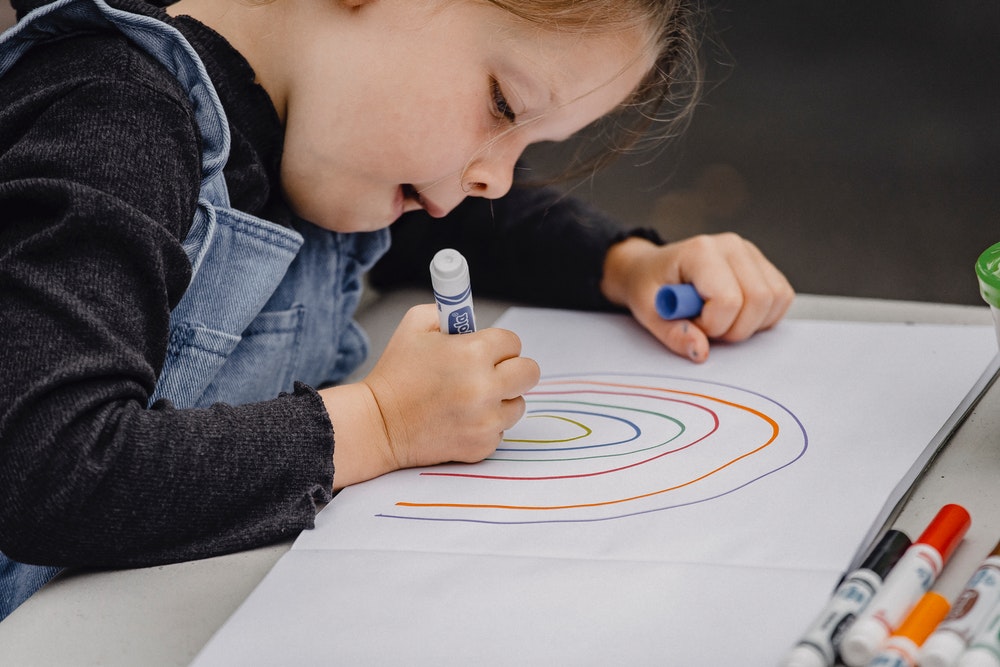 What can we do to help our kids? Even when the world is safe and there isn’t anything to be anxious over, once those feelings of panic, confusion and powerlessness have been triggered, it’s best to focus on helping your child calm his body down.
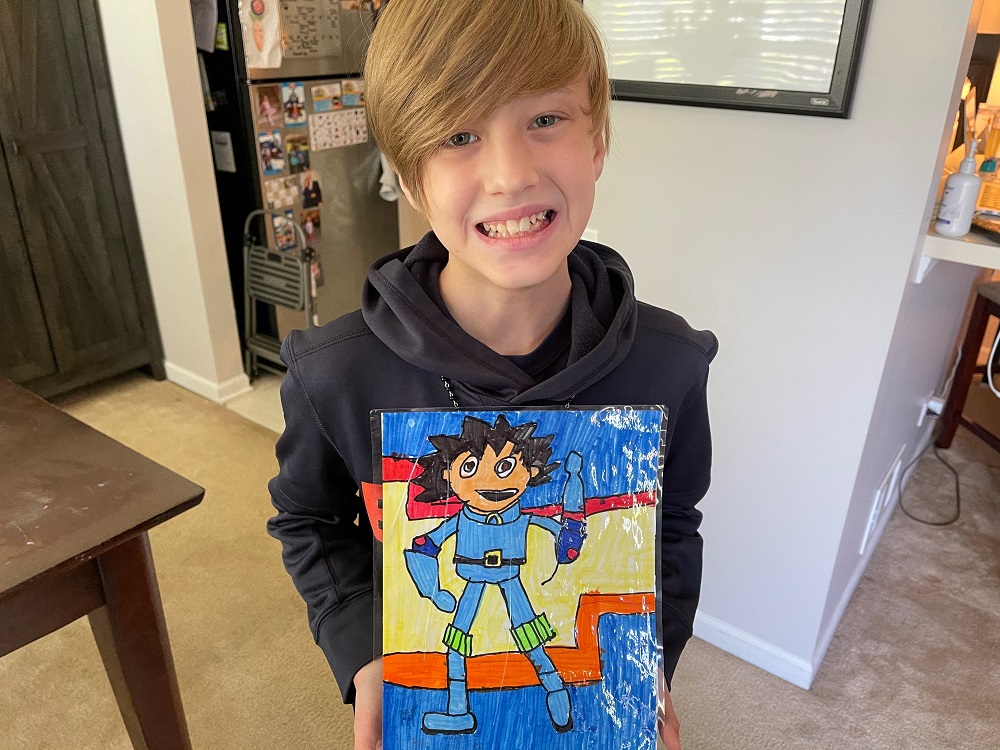 I just heard the best story about an 11-year-old boy who has been drawing through this pandemic to help him manage his anxiety. And now that he has started drawing, he doesn’t want to stop!
 Kids with an ADD diagnosis can benefit so much from the strategies we use with visual learners because most are visual, right brain thinkers struggling to focus their big picture thinking enough to get their work done at school. ADDitude magazine agrees with me and I got published in their spring edition!
  If your child is struggling with focus, testing and some academic work, there is no understanding, no work around, no assistance for them as visual learners. But if your child is unfocused, distracted, struggling academically, and diagnosed with ADD or ADHD, help is available in the form of a 504 learning plan.
 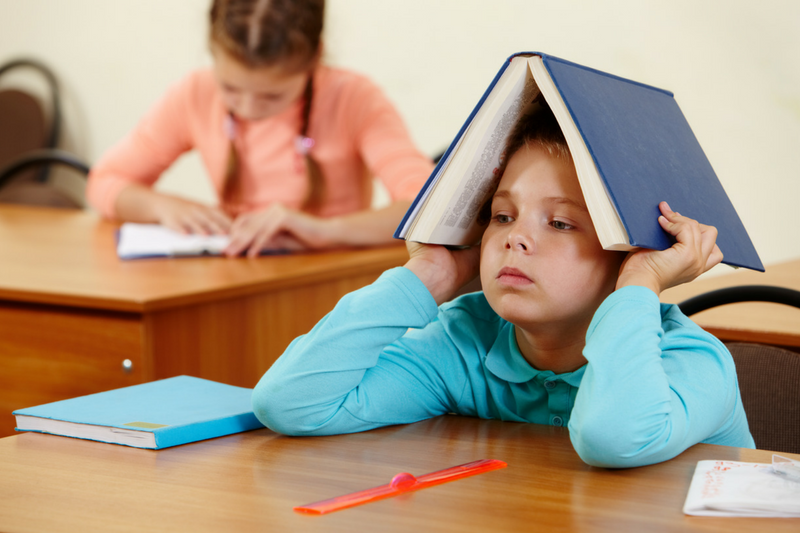 If your child has been diagnosed with ADD or ADHD, you’ve already put some new things in place and their grades or behavior still hasn’t improved, you might be thinking…. NOW WHAT?!? If you have a child with ADD chances are they are also visual learners.
 Approximately 11% of children 4 to 17 years of age have been diagnosed with ADD as of 2011, and it’s most commonly diagnosed in 7 year olds. That’s an alarming statistic, but we can turn the negatives of ADD into positives by understanding and applying the success strategies used with visual-spatial learners.
 ADD, Attention Deficit Disorder, is used to describe kids who can’t sit still, focus or follow directions, are easily distracted, seem bored and cannot get or stay organized. The good news is – for the majority, none of this is about a deficit – or a disorder.
