








More Than an Art Class: Building Resilience with Young Rembrandts
When you think about enrolling your child in an art class, you may picture colorful drawings, creative projects, and a fun way to spend an afternoon. And while those are certainly part of the experience, Young Rembrandts can offer children something even more valuable: the opportunity to practice persistence, build confidence, and develop resilience.
 December always brings us back to what matters most—gathering with the people we love, slowing down, and savoring the moments that made this year so meaningful. To help spark that joy, I’ve gathered a handful of simple, delightful activities you can enjoy together—moments that invite laughter, togetherness, and a warm reminder of just how special this season can be.
 From the Young Rembrandts Shop, our adorable Artoozie Collection celebrates creativity in the coziest, comfiest way. Each 100% cotton, tagless tee is designed to let kids wear their creativity with pride. But hurry—once they’re gone, they’re gone!
 In today’s tech-heavy classrooms, traditional art education is often pushed to the sidelines. But at Young Rembrandts, we believe something essential is missing—and we’re on a mission to bring it back.
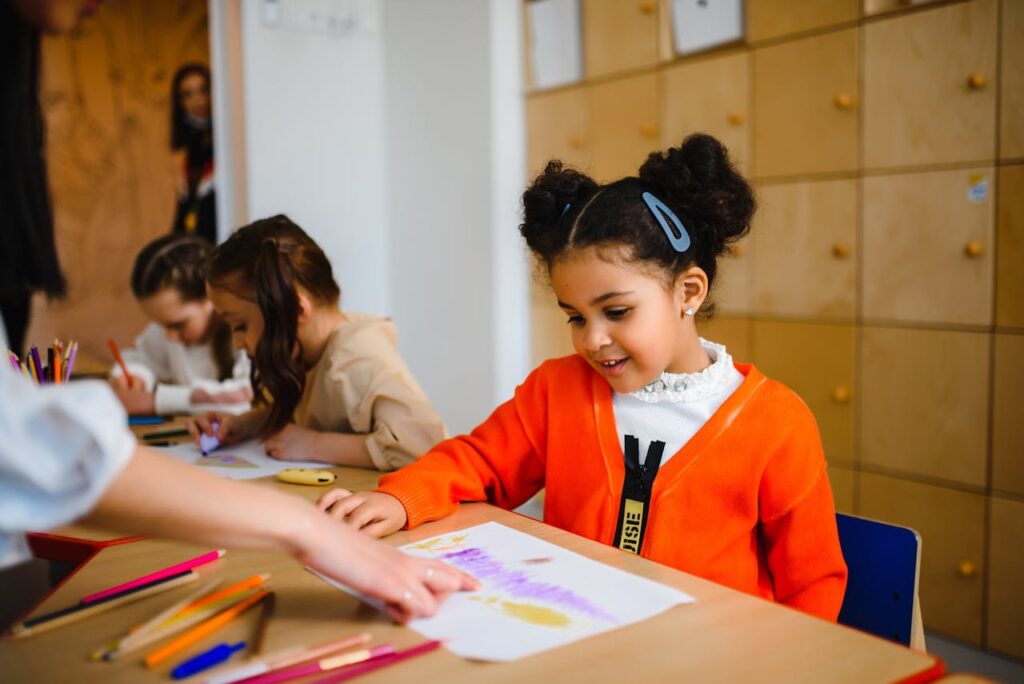 When our children engage in activities like art, music, dance, or visual arts, it’s not solely about training them to become professional artists in the future. Instead, it’s about enriching their educational journey in profound ways. Sometimes, the impact of arts education on a person’s life trajectory is direct and significant. Take, for instance, the story of Cindy, as shared in an excerpt from my book, “Being Visual.”
 Every stroke of a pencil, every word penned down, every melody composed – they all have the power to move us. “Inspire Your Heart with Art Day,” observed annually on January 31st, is a celebration of this profound connection between art and the human spirit.
 In today’s rapidly evolving world, the landscape of the workplace is undergoing a profound transformation. The skills once assumed essential for success are expanding beyond traditional academic abilities. As we prepare our children for the future, it becomes crucial to recognize the value of right-brain skills in shaping their success in the workplace.
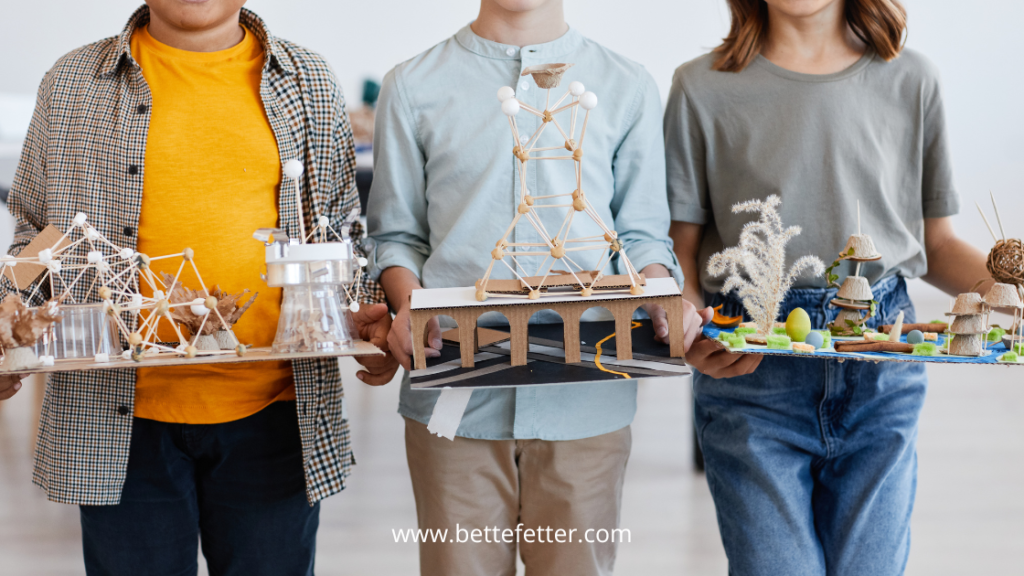 The traditional educational model emphasizes rote learning and standardized testing, geared towards producing individuals adept at following instructions and recalling facts. While essential for building foundational knowledge, this approach often sidelines the development of creative thinking skills. As parents, it’s critical that we actively advocate for the integration of creative thinking into our children’s education.
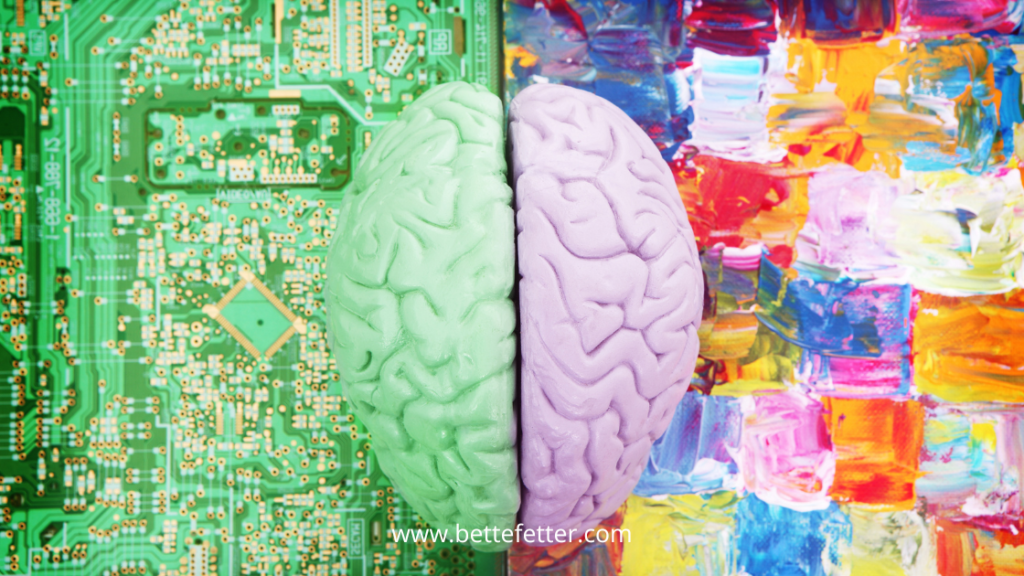 On this blog, I have written a lot about the idea of being “right-brained” or “left-brained.” This concept, rooted in how our brains work, is often used to describe our children’s cognitive tendencies. But what does it really mean, and how can it help you understand and support your child’s unique abilities?
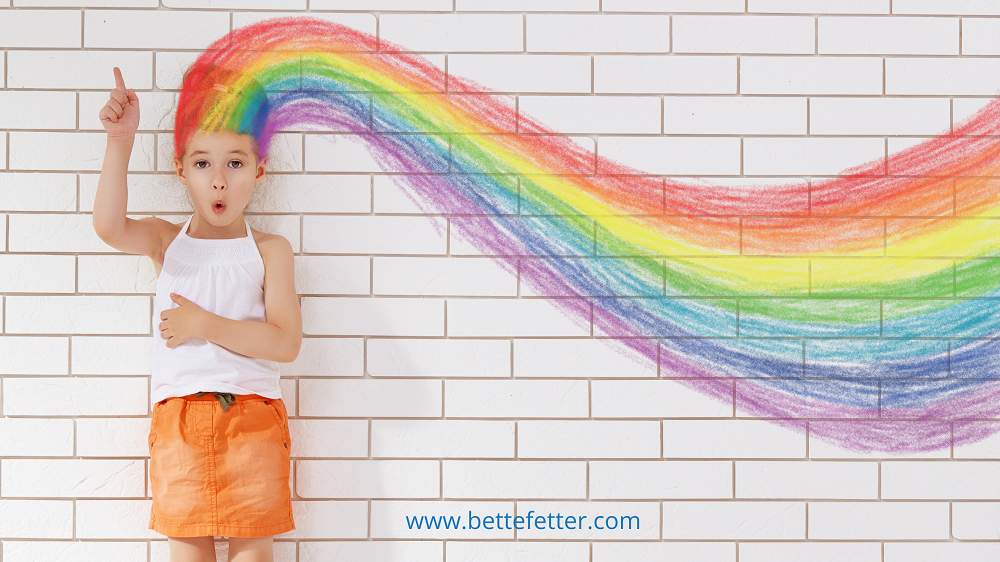 Artistic thinking is not just for budding Picassos or future concert pianists; it’s a valuable skill that can be nurtured in all children. Let’s explore the importance of teaching artistic thinking to kids and get some practical strategies for nurturing their creative minds.