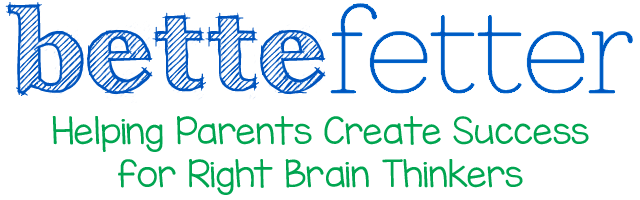








Celebrating the Richness of Right Brain Perspectives: A Journey through “Scattered Minds” by Gabor Maté
 I wanted to share with you an inspiring perspective I recently encountered in the pages of “Scattered Minds” by Dr. Gabor Maté. Dr. Maté paints a picture of ADHD as not just a disorder, but a different way of experiencing the world—one that is characterized by heightened creativity, intuition, and sensitivity to the environment, all traits of right-brain thinkers.
 I’m excited to share something really cool that changed how I see ADHD and how our brains work, especially the creative side! Let’s chat about “The Body Keeps the Score” by Bessel van der Kolk. It’s not just a book about ADHD; it’s like a map guiding us through how our brains handle tough stuff and how this connects to ADHD and our right-brain way of thinking.
 It’s conference time at many of our schools, and I want to chat with you about approaching them in a different light, especially if you have a right-brain thinker or a child with ADD or ADHD. While it’s crucial to hear the teacher’s feedback on how your child is doing in the classroom, it’s equally important to engage in a conversation about your child as a right-brain thinker.
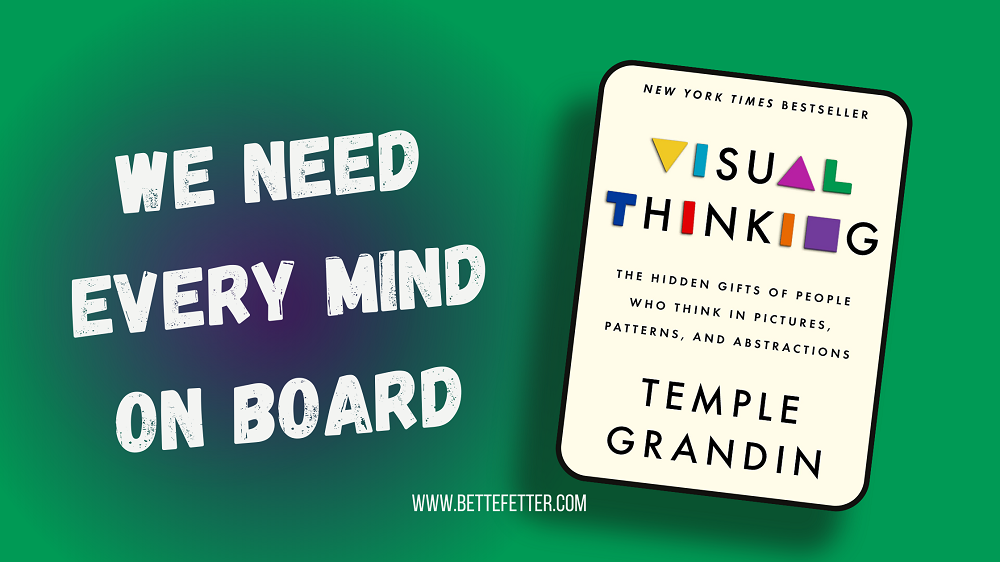 Temple Grandin’s newest book, Visual Thinking, is a must read for anyone raising or educating children in the 21st century as we begin to see the need for every type of mind to be on board for our ride into the future.
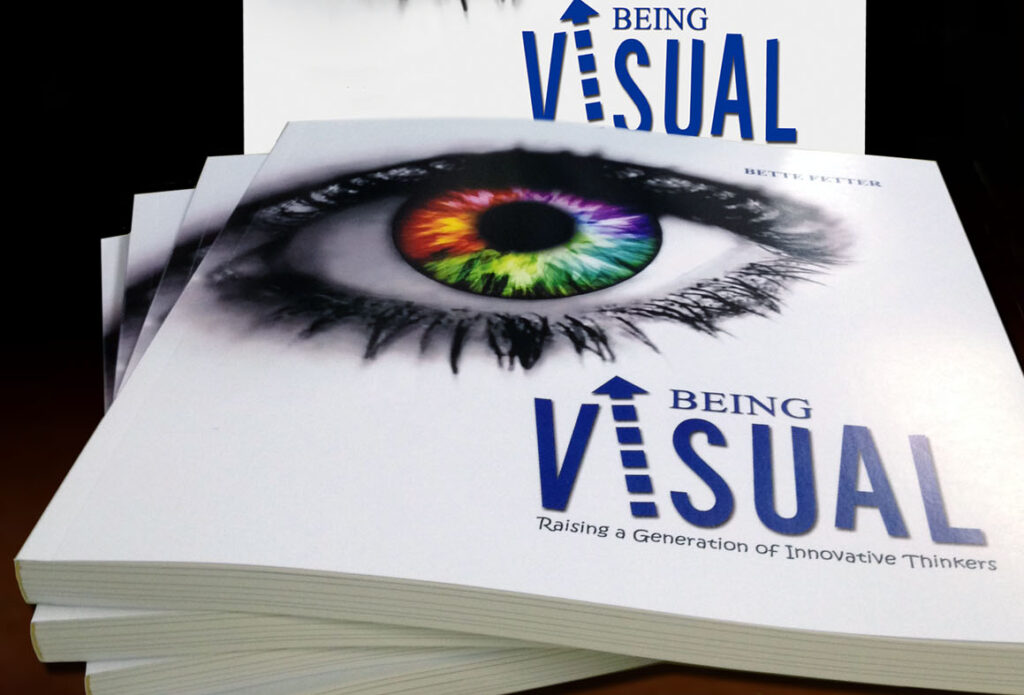 Not all children learn the same way. Our left-brain dominant kids are comfortable in the world of language. Our right-brain dominant kids thrive in the world of images. For these students, no seeing means no thinking. No thinking means no learning. Visual art training helps them develop the visual skills that are essential to their learning.
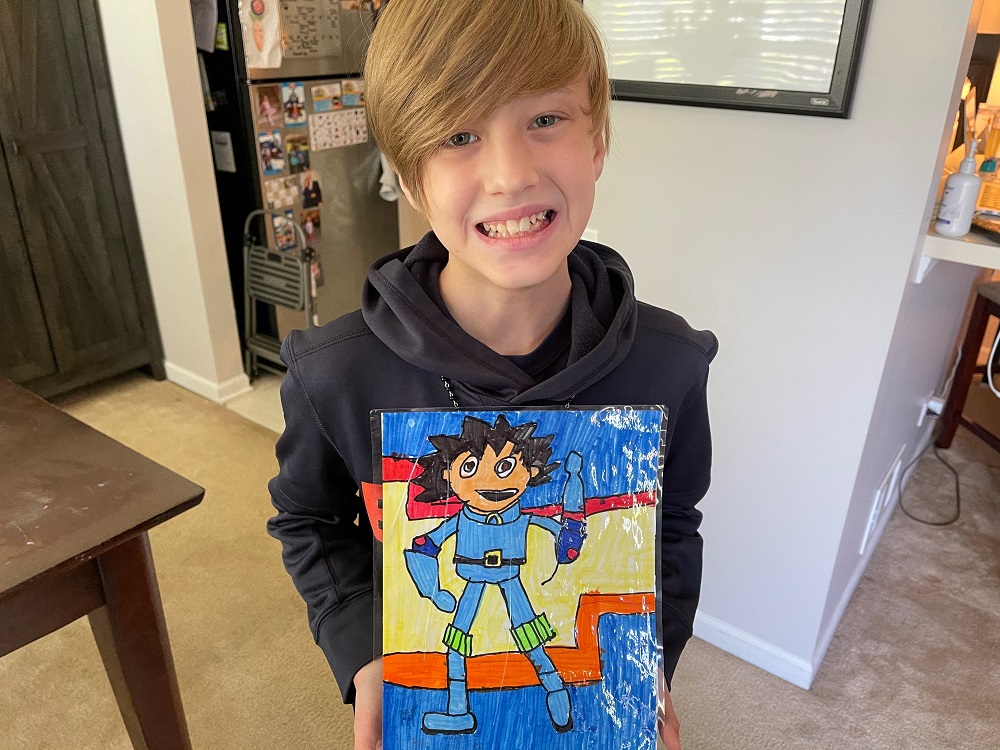 I just heard the best story about an 11-year-old boy who has been drawing through this pandemic to help him manage his anxiety. And now that he has started drawing, he doesn’t want to stop!
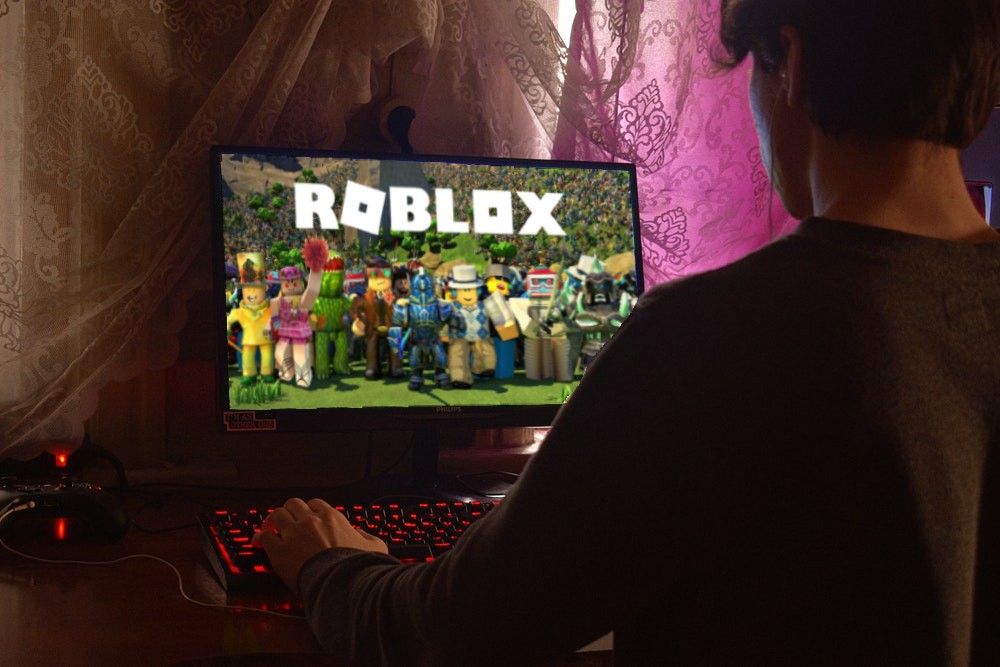 I can’t tell you the number of times I’ve walked past my grandson’s computer and seen a quick flash of Roblox. It’s a quick flash because an adult walking past reminds him to hide the evidence and get back to distance learning. And I’m pretty sure we’re not alone in this struggle. So what can we do?
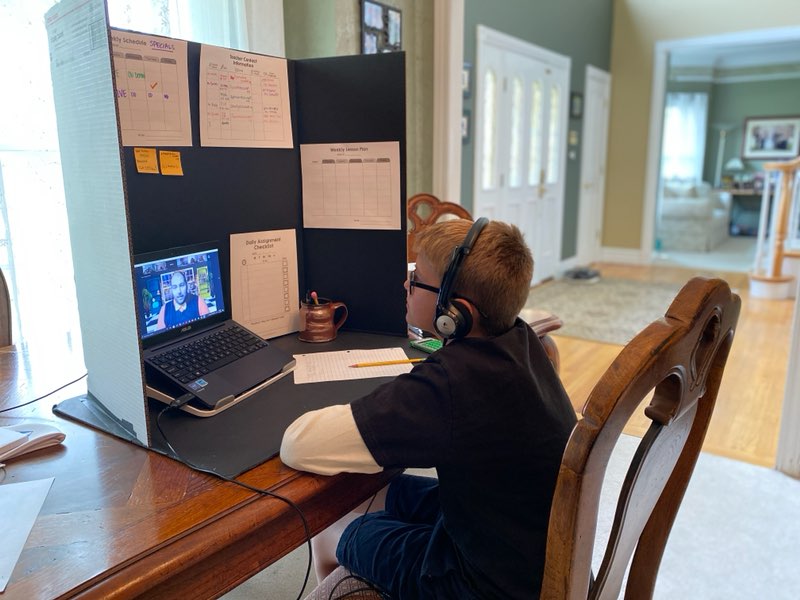 I remember when I was the mom getting 4 young kids dressed, fed and out the door for school, and off to work myself, but for us, getting ready for distance learning with my grandson required NASA level organization.
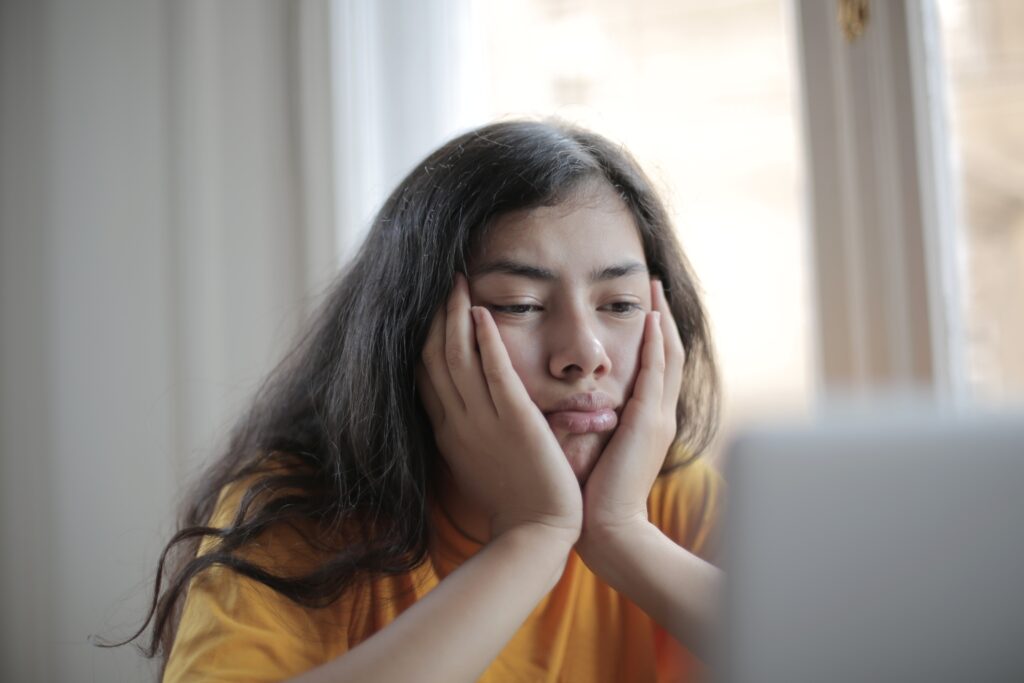 This fall, the vast majority of students will be at home for school. So how do we take this to the next level and move from surviving to thriving in the at home classroom?