







Directed Drawing and Art Skills for Children: The Most Beautiful Headdress
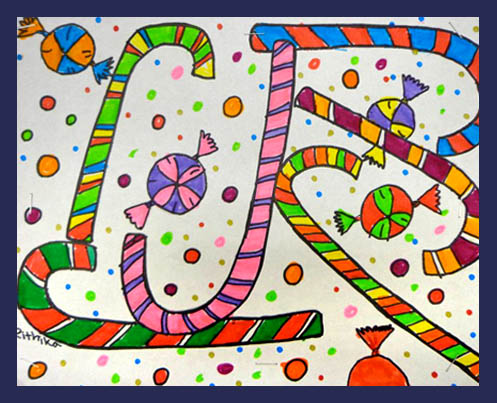
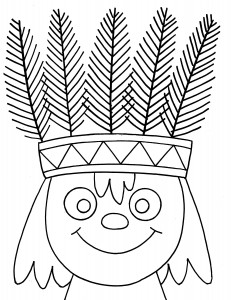 Art is a critical component of education as well as a means of self-expression. Directed drawing, the process of step by step drawing instruction, is one component of art instruction and essential for building confidence and art skills. However, participation in directed drawing classes also helps develop observation skills, attention to detail, fine motor and organizational skills, as well as a strong visual vocabulary. These skills require time, patience and repetition to allow the child’s hands catch up to what the eyes can see.
Family Fun: Holiday Winter Activities
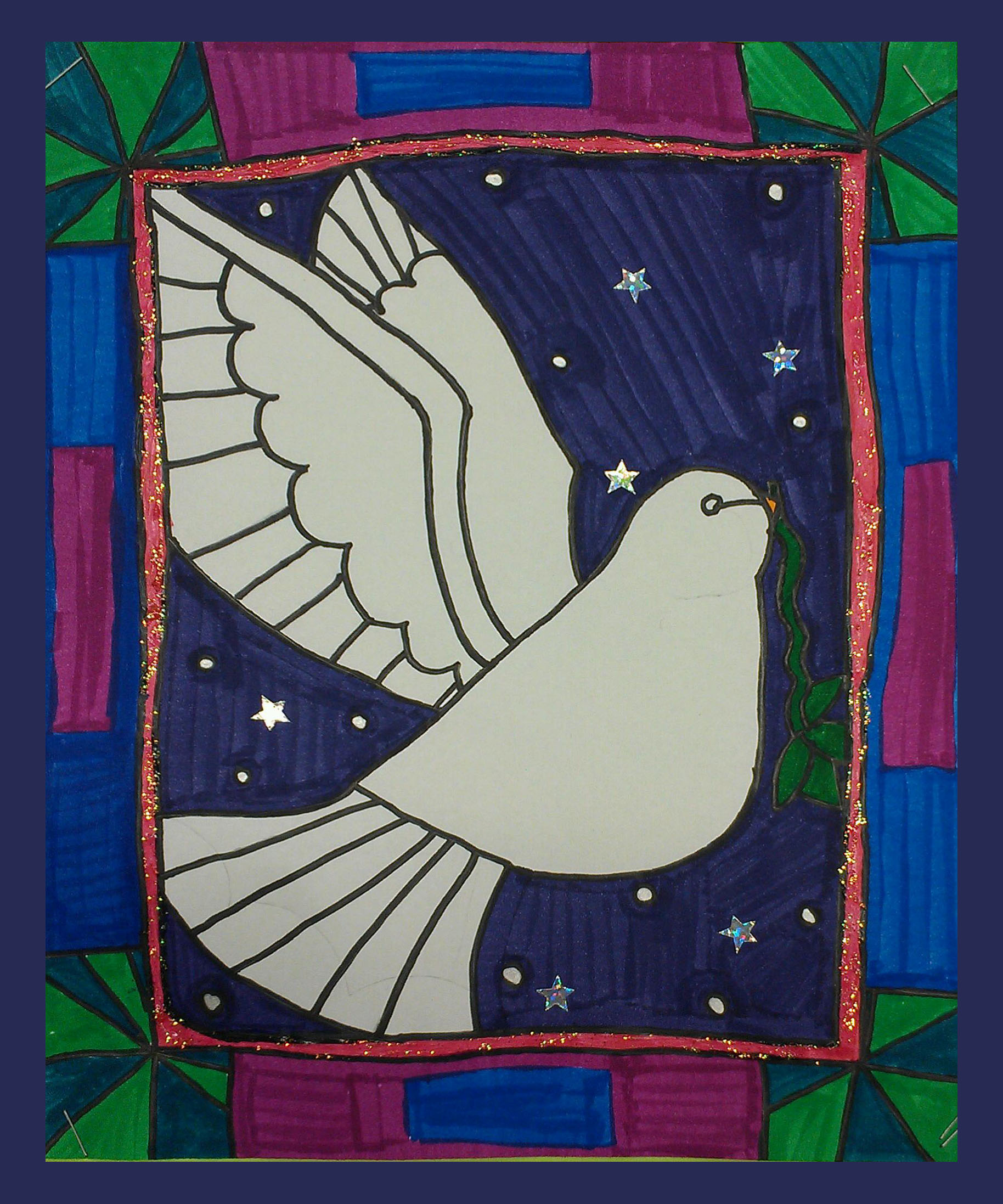
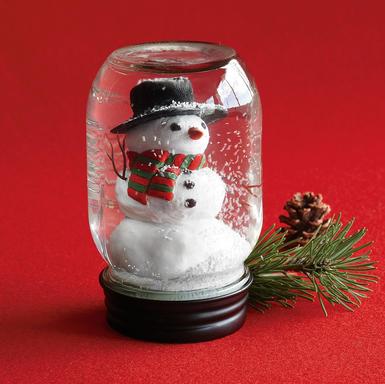 Frantic is an understatement when it comes to our Holiday schedules. By the time we remember what the holidays are supposed to be about…they’re over. Because we certainly don’t want to add another item on your holiday “how-am-I-going-to-get-this-all-done” list, here are a few activities that may check off a couple of items in one sitting…
Still Shopping? Being Visual, a Great Gift for Teachers
 Teachers are very special people that give so much of themselves to children. They delight in seeing who children are and finding ways to share information, build skills and help them become the best of who they are.
 I have shared lots of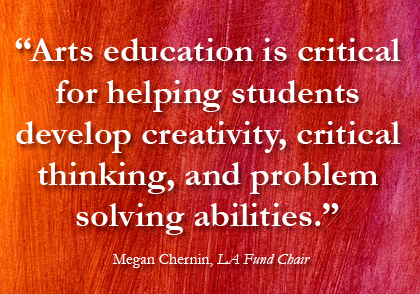
Art and Academics: A Matched Set
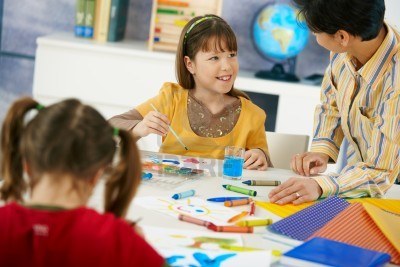 Art has long been perceived as a fun activity, with little academic impact or value in an educational system focused on literacy and test scores. Because of this misconception, art programs across the country are being eliminated in staggering numbers. While the cuts may help the bottom line, our students are paying the price. Research has proven time and time again, that art is essential to academic success, and many of our children can’t learn without it.
Family Fun: Winter Activities For Kids
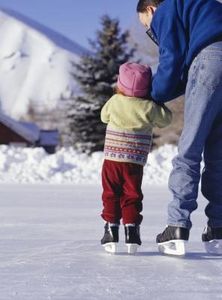 Get Moving: Ice skating is a fun way to be together as a family. Gross motor movements engage the whole body promoting a healthy lifestyle and a healthy brain. Use this site to find rinks in your neighborhood, (Canada too!)
