








Does Your Child Feel Like a Fish Out of Water?
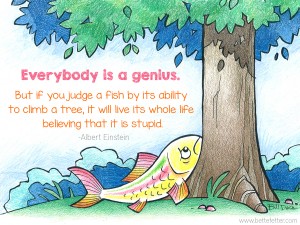 After-school programming is essential for the survival of our current, innovative, technology driven society. We need to encourage those out of the box thinkers in our schools to continue to develop those skills and help our linear process thinkers embrace their creative sides.
 Many of us know that art is important in education but unfortunately art class is one of the first things to get cut when budgets are dwindling.
 Young Rembrandts has created some adorable Easter drawing worksheets for you to try with the kids. The step-by-step method really emphasizes the process and is great for their confidence.
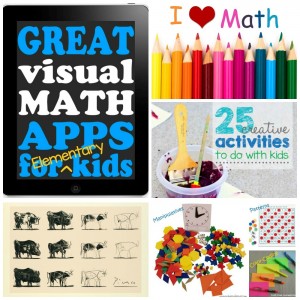 We have been busy this month addressing many things such as how to Get Your Child to Be a Math Whiz and How Doing Nothing at Home Prepares Your Child for Testing. We’ve made a list of creative activities for kids and found 10 Great Math Apps for your elementary student. If you missed something feel free to check it out now.
 All kids have a desire to express themselves and are drawn to make, see and do. But they need information, training and systematic skill development to gain competency. They need art class. In every other kind of art, such as music, dance and theater, there is a predetermined, systematic method of training. It is expected that with practice and repetition students will gain a level of mastery that leads to freedom of expression and creativity.
 In episode 16 of Living Life as a Visual Thinker, I discuss why visual learners need to be allowed to draw and doodle. For visual thinkers, drawing is like handwriting is for auditory learners. It is extremely important for them to feel comfortable with a way to express themselves.
 Standardized testing is serious business at school. So what do you, as a parent, do to prepare your child? What do you do to make sure he takes this seriously and scores well? What if you don’t like this whole idea of standardized tests? What then? What do you tell your child?
 Visual kids can be great at math. They just have to be taught in ways that work for them. The key to helping them succeed at math is to concentrate on the concept rather than the facts.
 You and your child made it to the finish line… almost. Today’s final exercise is a chance to take all the skills we’ve practiced this week and put them together. Drawing, writing, spacing and coloring: invaluable ingredients to perfecting handwriting at any age.
