







More Than an Art Class: Building Resilience with Young Rembrandts
When you think about enrolling your child in an art class, you may picture colorful drawings, creative projects, and a fun way to spend an afternoon. And while those are certainly part of the experience, Young Rembrandts can offer children something even more valuable: the opportunity to practice persistence, build confidence, and develop resilience.
 In today’s tech-heavy classrooms, traditional art education is often pushed to the sidelines. But at Young Rembrandts, we believe something essential is missing—and we’re on a mission to bring it back.
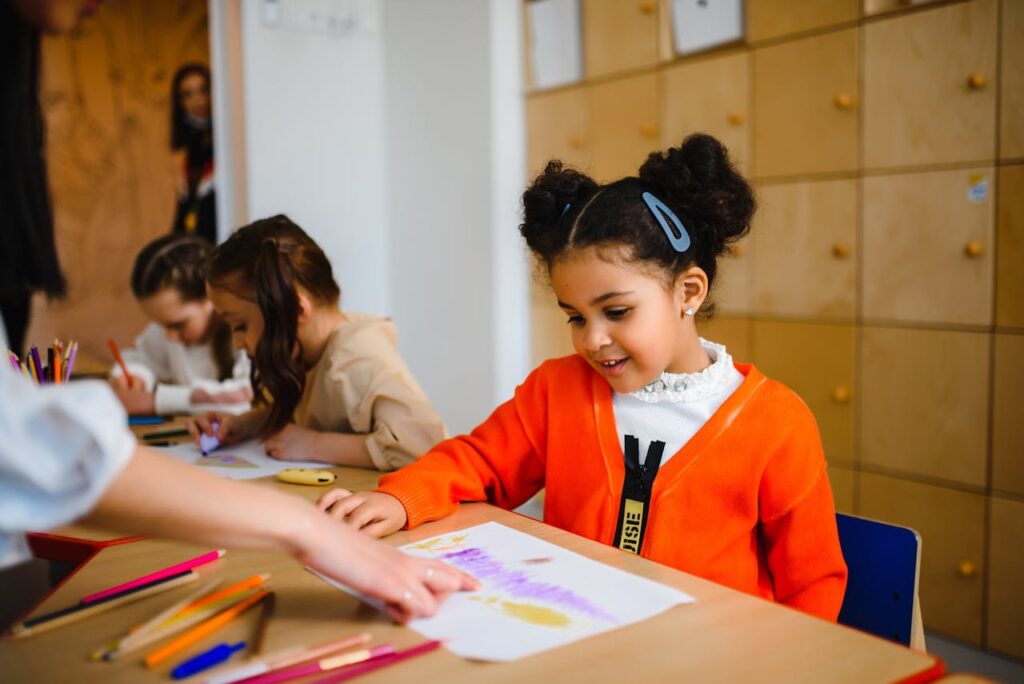 When our children engage in activities like art, music, dance, or visual arts, it’s not solely about training them to become professional artists in the future. Instead, it’s about enriching their educational journey in profound ways. Sometimes, the impact of arts education on a person’s life trajectory is direct and significant. Take, for instance, the story of Cindy, as shared in an excerpt from my book, “Being Visual.”
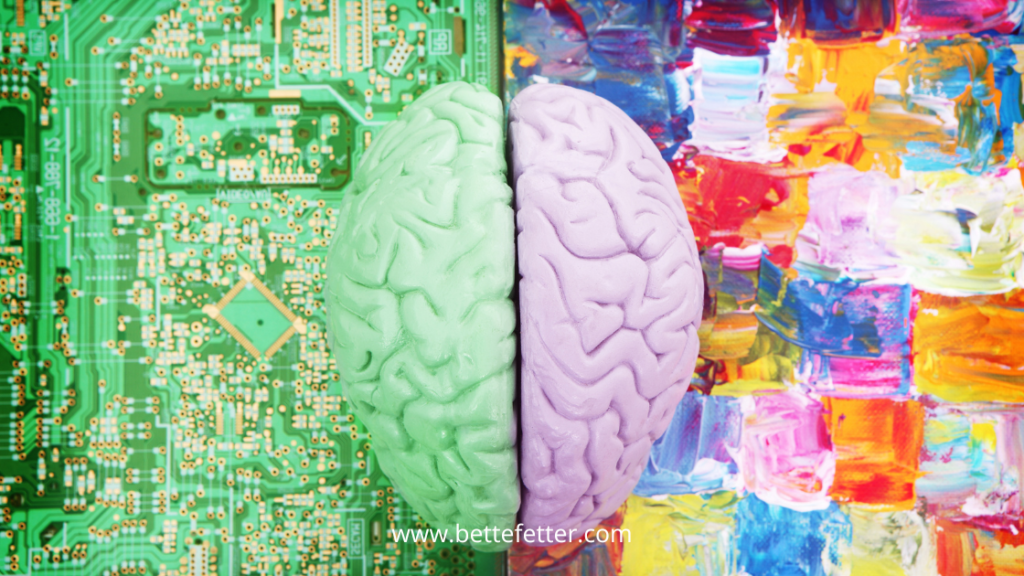 On this blog, I have written a lot about the idea of being “right-brained” or “left-brained.” This concept, rooted in how our brains work, is often used to describe our children’s cognitive tendencies. But what does it really mean, and how can it help you understand and support your child’s unique abilities?
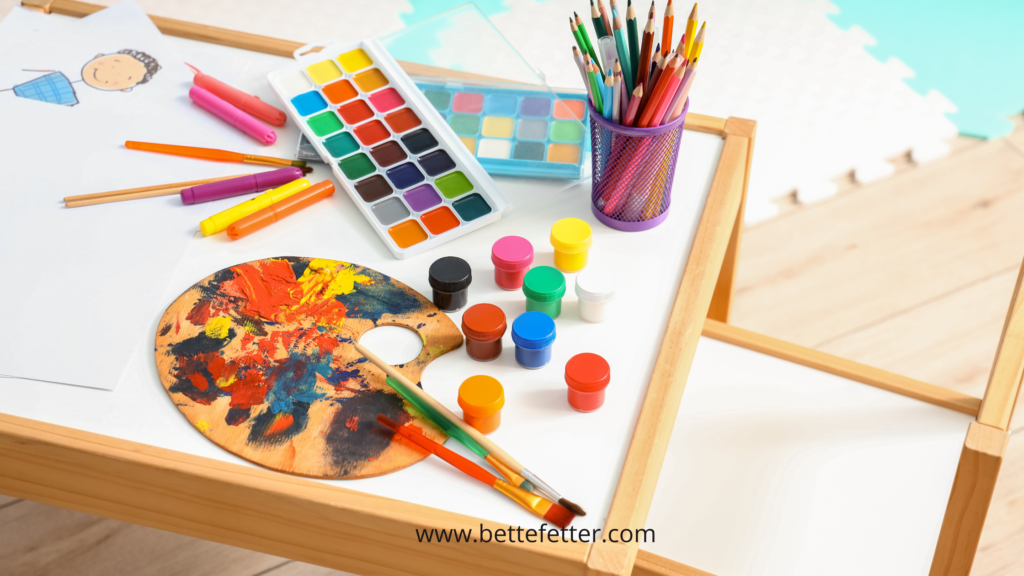 When your child shows an interest in art, it’s like discovering a magical portal to a world of imagination and creativity. But how do you nurture this budding Picasso or future Frida Kahlo while keeping your walls intact?
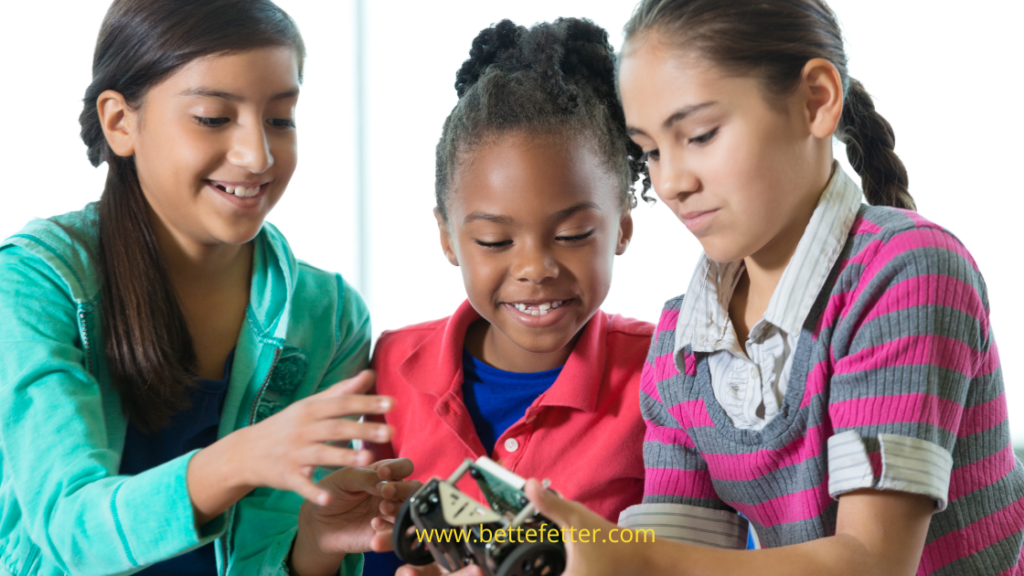 Going back to school can throw a curveball at our right-brain thinking champs. Sitting still and tuning in can feel like trying to leash a tornado, especially for those young explorers who learn best by seeing, touching, and doing. After-school enrichment programs are like the secret sauce for those kids who are missing out on some action-packed learning during the regular school hours. But here’s the million-dollar question: how do you pick the perfect activity for your kid?
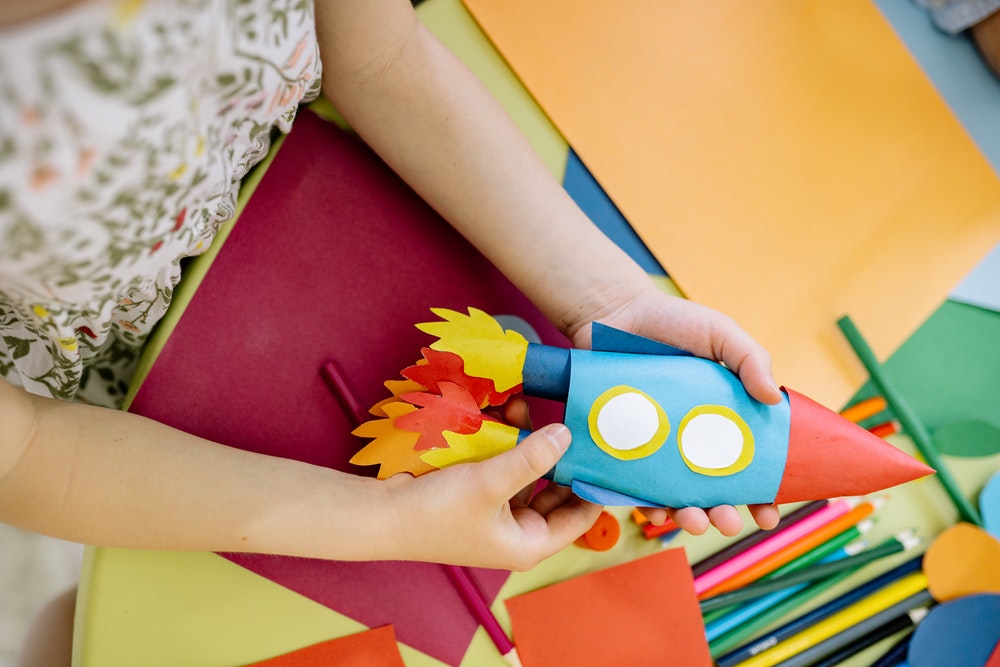 Craft kits are perfect for keeping hands busy, especially ones that include some science, technology, engineering, ART and math, STEAM! This list is full of STEAM ideas for kids of all ages.
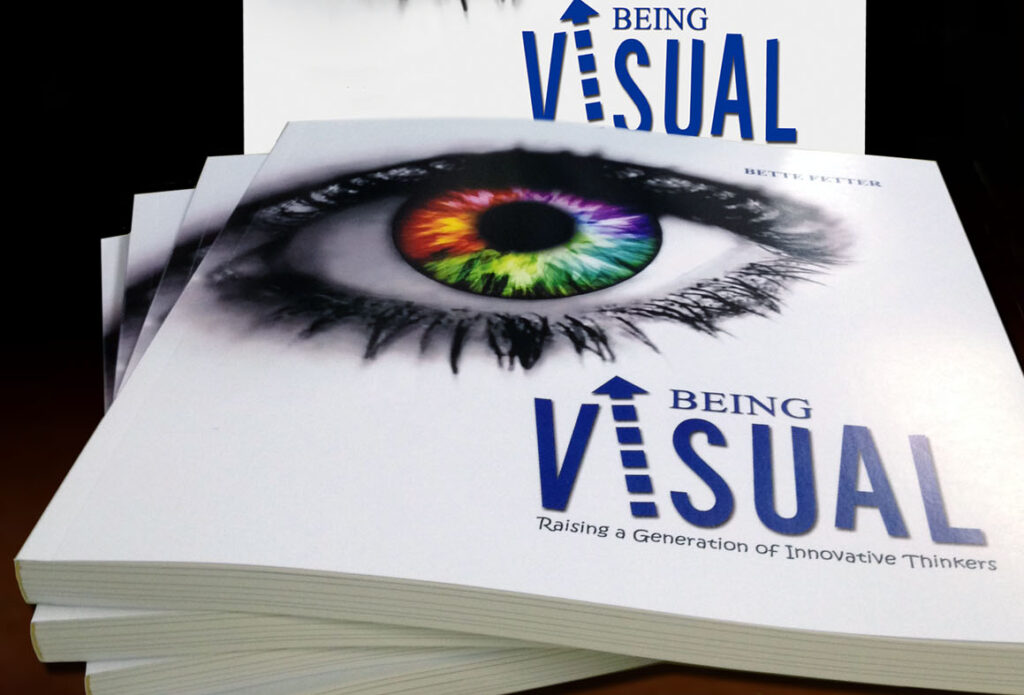 Not all children learn the same way. Our left-brain dominant kids are comfortable in the world of language. Our right-brain dominant kids thrive in the world of images. For these students, no seeing means no thinking. No thinking means no learning. Visual art training helps them develop the visual skills that are essential to their learning.
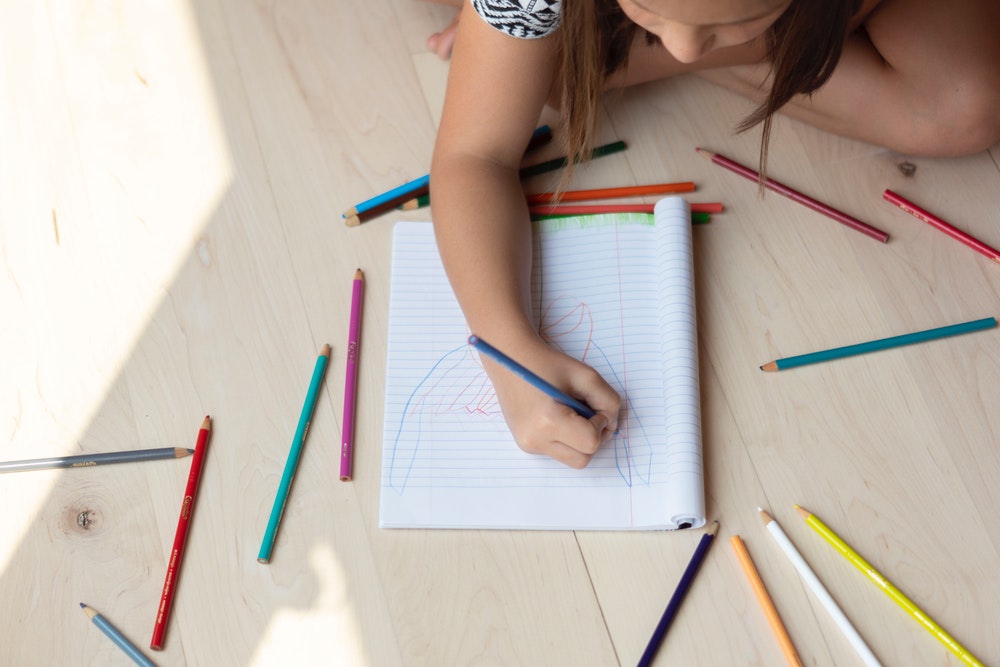 Most people think of drawing as a creative outlet. It’s an extra activity for the “creative types”. But that is not true. Drawing has very little to do with creativity. It is about seeing, thinking and sharing oneself. Drawing is a way to explore our thoughts, build our brain and understand the world more effectively.
 Life is busy, messy, intense and stress happens. So, it’s good to get a plan for staying calm and carrying on. But our kids feel plenty of stress too, and they need to know how to calm themselves when their mind starts racing, or they’re feeling anxious thoughts.