







How to Cultivate an Attitude of Gratitude in Kids
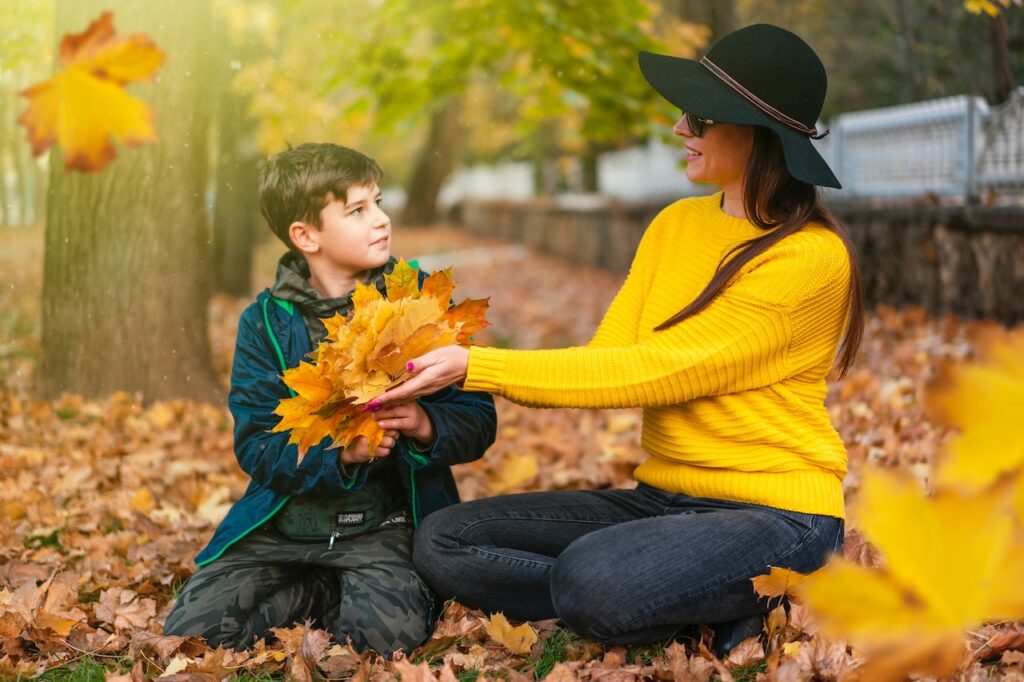 A gratitude mindset involves regularly making the shift from disappointment and expectation to appreciation and thankfulness. And, research shows the earlier a gratitude mindset is instilled, the happier and more resilient we are. So, let’s find ways for our kids to notice and share their gratitude.
 Temple Grandin introduced us to the world of visual thinking as it relates to Autism Spectrum Disorders and other forms of neurodivergence in her first book, Thinking in Pictures. It was also made into a movie that does a great job illustrating what it’s like to be a visual thinker. So, I was so excited to hear that she has just released a new book, Visual Thinking.
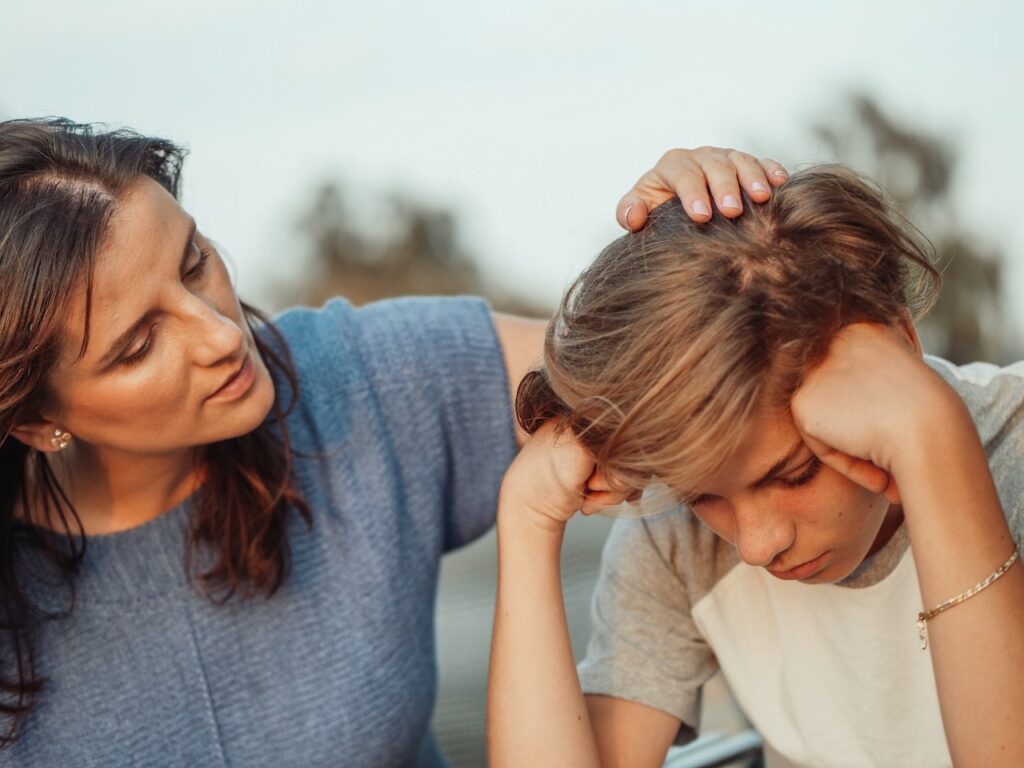 Children need to feel heard, validated, accepted, and understood by those closest to them. They need a safe space to express those big emotions and they need to learn how to manage them in a healthy and adaptive way.
 October 13th is National Train Your Brain Day, a day that recognizes the power of the mind, and how training it to be positive can change human lives. I have found a few simple ways for you to encourage your child (and yourself) to train your brain.
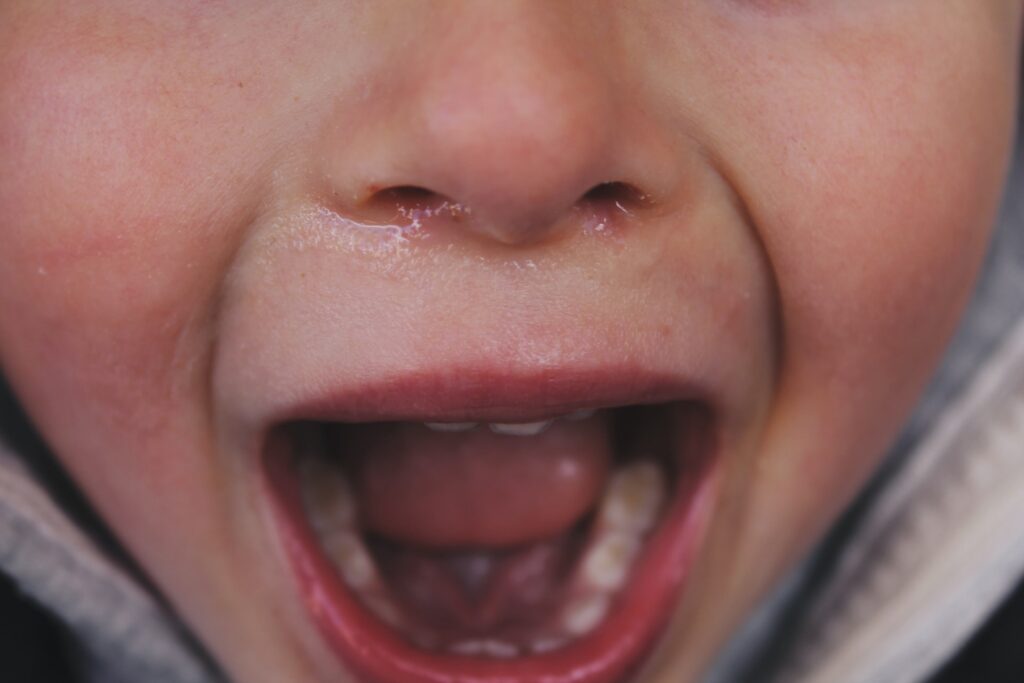 Children who have frequent meltdowns after school may be experiencing “After-School Restraint Collapse”. We want to help our children prevent these meltdowns before they occur. Start by creating an afterschool routine.
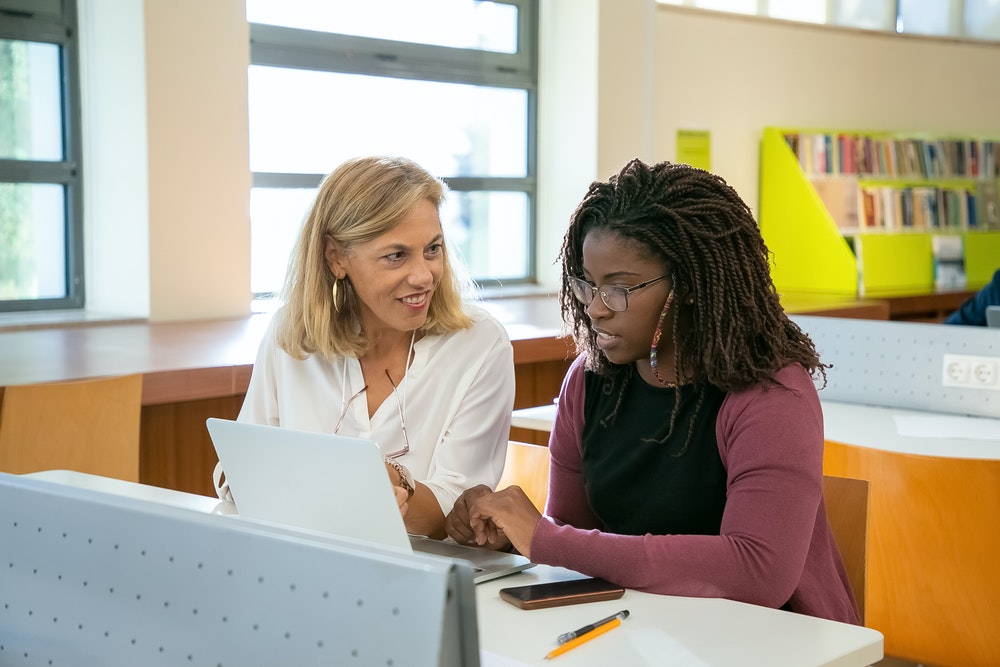 Teachers teach the subjects and curriculum dictated by their district, but the way it’s implemented can vary teacher to teacher. Conference time can be a great time to work together to find ways for your child to thrive.
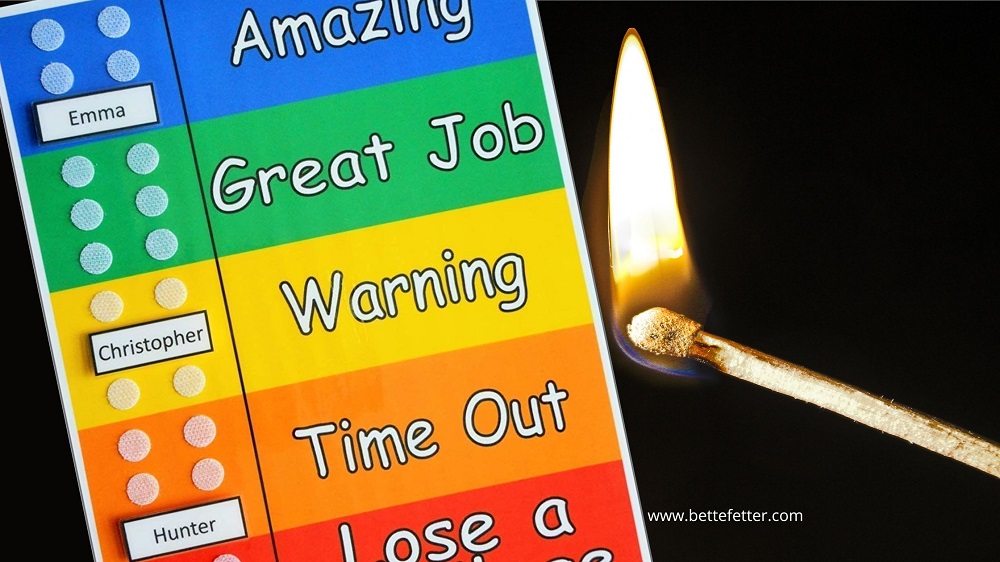 Research shows that the more our students feel safe in the classroom, the more they will learn. There are so many other ways to build a strong, safe classroom community. So, what should we do instead?
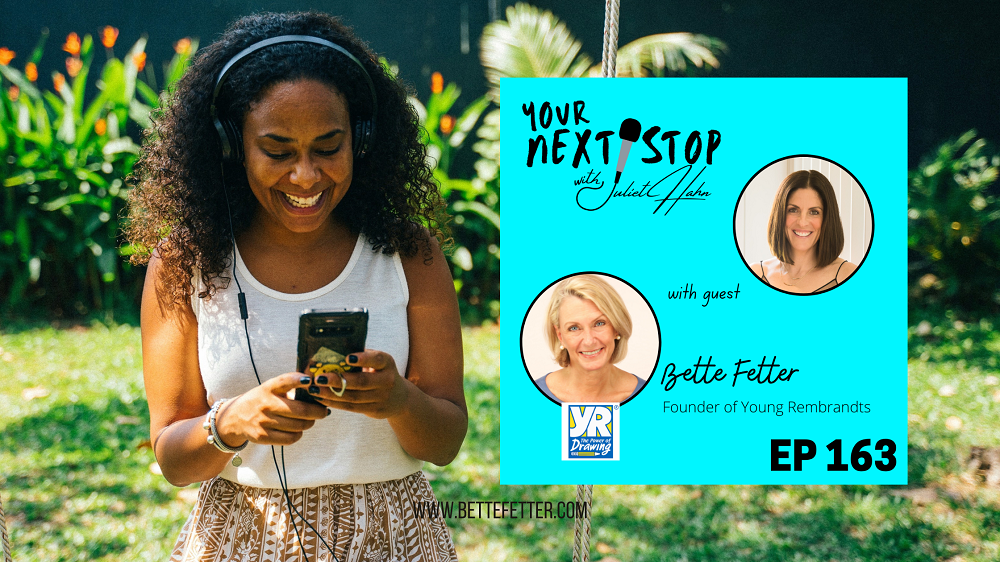 I am so excited to share my guest spot on Juliet Hahn’s podcast, Your Next Stop. I always love to tell the story of starting my art education business, Young Rembrandts, and my passion for helping the world understand the importance of leveraging the gifts of right-brain thinking.
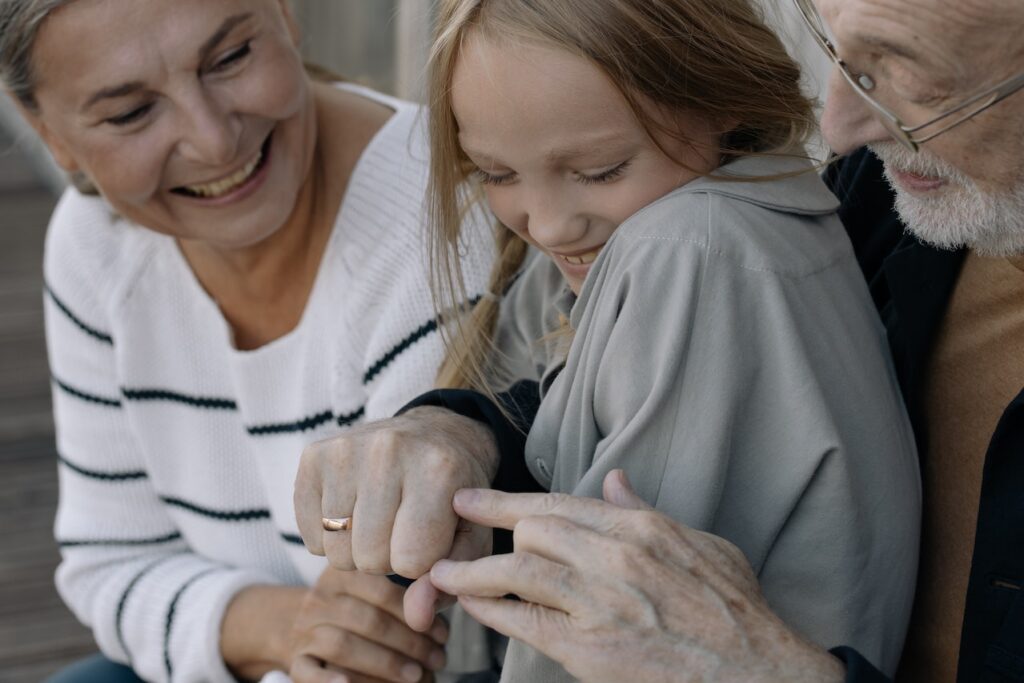 As grandparents there’s a lot we can do to support our kids as parents, but we are also in position to bring so much to the kids and relationships. Here are a few ways my hubby and I connect with our boys:
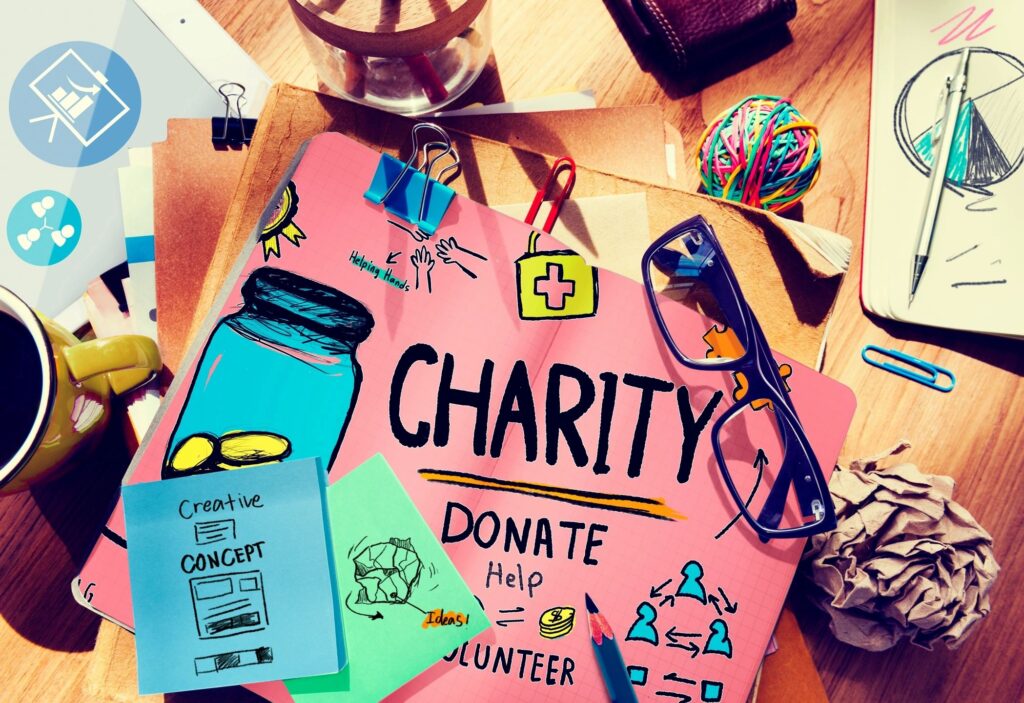 To honor the International Day of Charity on September 5th, our foundation donated lots of basic art supplies to elementary classrooms in California, South Carolina, Illinois and Georgia and more to classrooms that want to use art to enhance academic learning, with the help of DonorsChoose.org.