







Smooth Sailing into Back-to-School: Helping Right-Brain Thinkers Thrive
 The backpacks are out, pencils are sharpened, and the back-to-school buzz is in the air! While this time of year is exciting, it can also feel a bit like jumping onto a moving train—especially for our right-brain thinkers and visual learners.
Here are some practical, creative strategies to make the transition smoother and help your right-brain learner shine all year long.
 In today’s tech-heavy classrooms, traditional art education is often pushed to the sidelines. But at Young Rembrandts, we believe something essential is missing—and we’re on a mission to bring it back.
 As parents and educators, one area we don’t always stop to consider is how our children’s unique learning style, especially right-brain thinking, impacts their friendships. Right-brain thinkers are intuitive, emotional, imaginative, and expressive. These children often see the world in pictures and patterns rather than words and numbers. They feel things deeply, pick up on emotional cues quickly, and may communicate in ways that are more symbolic than straightforward. So what does this mean for their friendships?
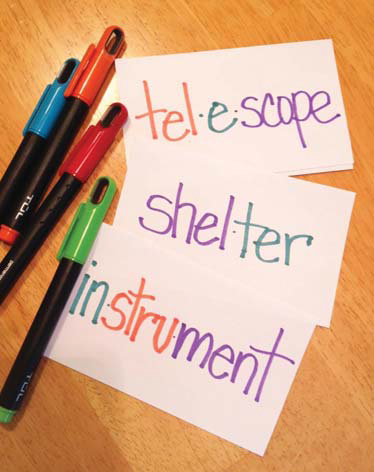 Rote memorization and recitation just don’t resonate with right-brain thinkers. Instead, we need to employ more creative, visual, and hands-on techniques to help them grasp new concepts effectively.
 Discover how the recognition of dyslexic thinking is reshaping the way we value creativity, problem-solving, and innovative thought. Dive into the strengths of right-brain skills and join the conversation on embracing these unique abilities for a brighter future.
 In this digital age, it’s more important than ever to encourage our little ones to step away from screens and dive into the wonders of an analog summer. Here are some delightful activities that not only entertain but also nurture creativity, physical health, and family bonds—perfect for creating cherished memories.
 Summer is the perfect time for your kids to explore the hidden treasures that libraries offer beyond their extensive book collections. From engaging programs to hands-on activities, here’s why you should make the library a regular destination this season.
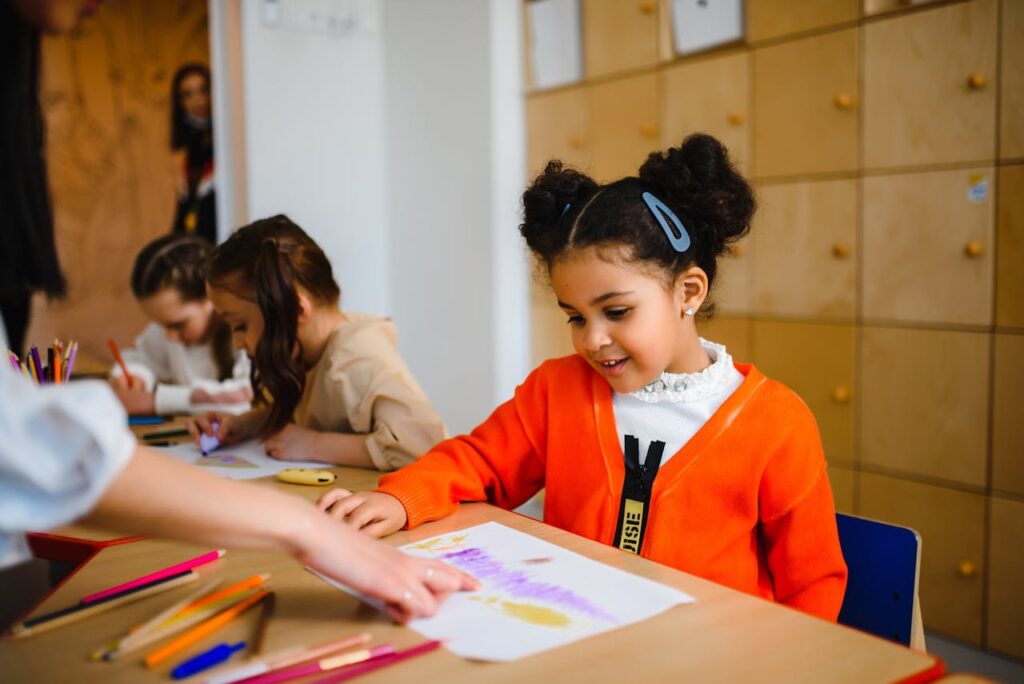 When our children engage in activities like art, music, dance, or visual arts, it’s not solely about training them to become professional artists in the future. Instead, it’s about enriching their educational journey in profound ways. Sometimes, the impact of arts education on a person’s life trajectory is direct and significant. Take, for instance, the story of Cindy, as shared in an excerpt from my book, “Being Visual.”
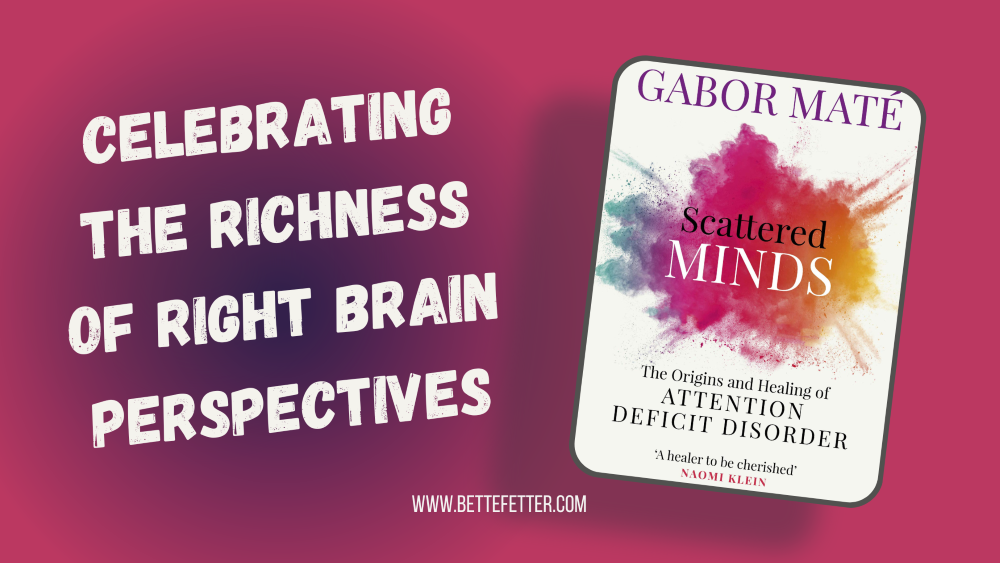 I wanted to share with you an inspiring perspective I recently encountered in the pages of “Scattered Minds” by Dr. Gabor Maté. Dr. Maté paints a picture of ADHD as not just a disorder, but a different way of experiencing the world—one that is characterized by heightened creativity, intuition, and sensitivity to the environment, all traits of right-brain thinkers.
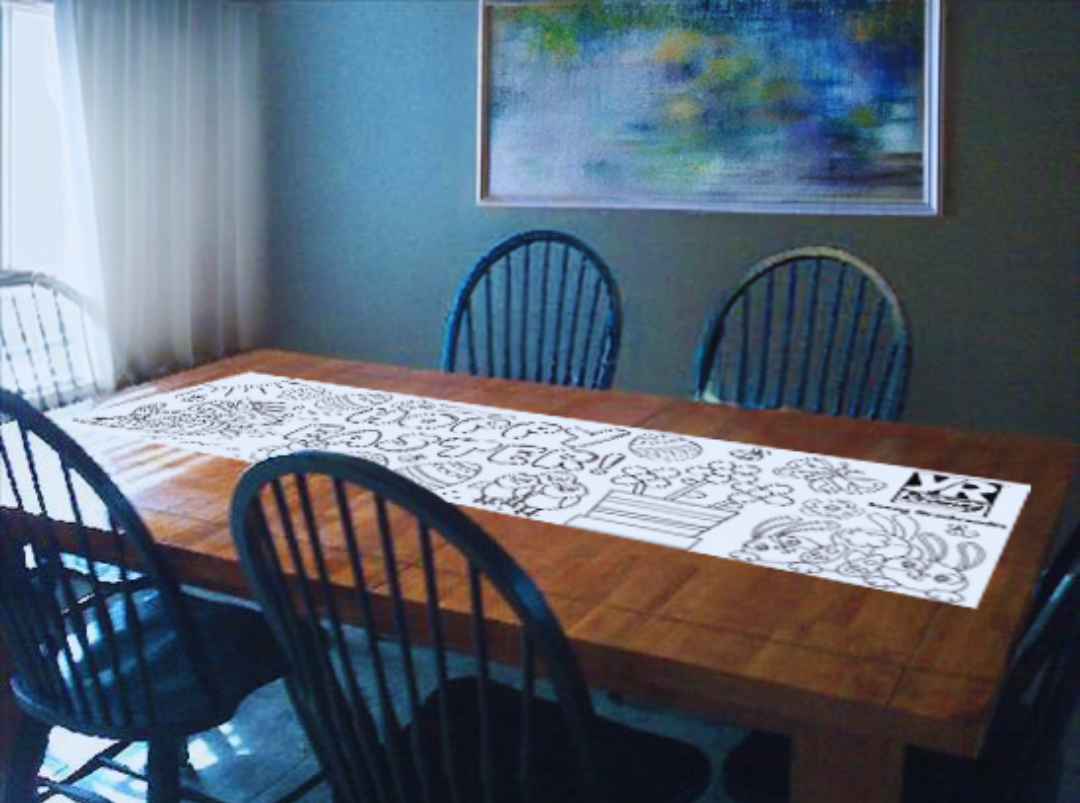 Turn your Easter brunch into a canvas of imagination and keep the little ones entertained and involved. Ignite a world of creativity with this expansive table runner, adorned with charming Easter-themed illustrations just waiting to be colored.