








The Right Teacher Is the Key
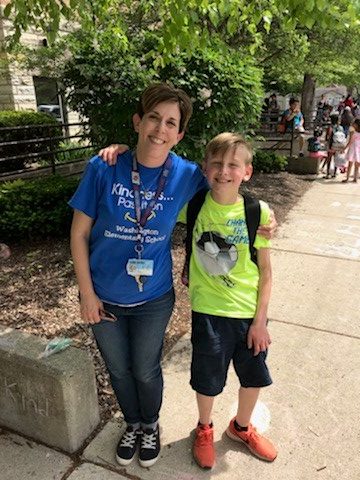 Our grandson went to first grade in a very ‘desirable’ school. Unlike some other schools in the area, they still had art, music, library and gym class. Turns out the school and the district were very test score, worksheet, drill, drill, drill focused and, it was a hard year for everyone involved. When he moved the next year, I prayed he’d get a teacher that understood him. A teacher with a heart to help him feel safe and teach him in ways he could learn. Thankfully, we got that teacher and so much more.
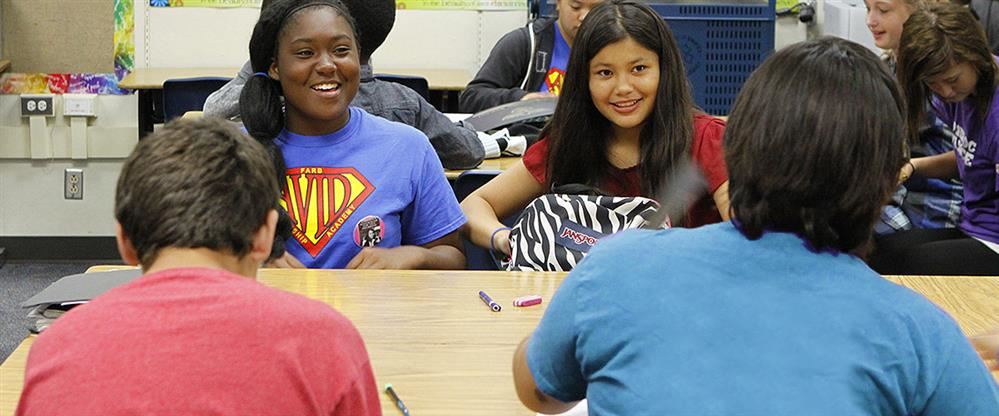 This is exactly the kind of class visual kids need! They’re smart. They can do the work, but as visual learners in a left-brain education system many of them are underperforming. This class would provide the help and encouragement visual kids need.
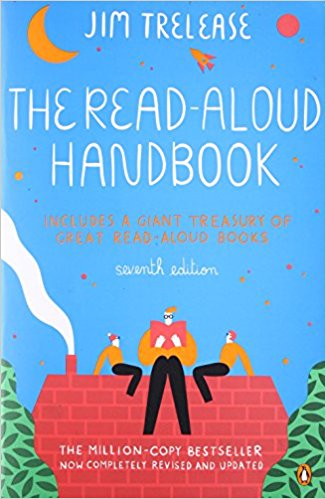 “We must take care that children’s early encounters with reading are painless enough, so they will cheerfully return to the experience now and forever. But if it’s repeatedly painful, we will end up creating a school-time reader instead of a lifetime reader.”
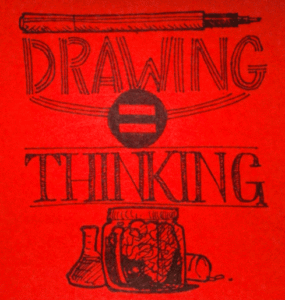 For children, drawing is a way of seeing things, thinking about their world or sharing how they feel. For visual thinkers, drawing is like handwriting is for auditory learners. It is extremely important for them to feel comfortable with a way to express themselves.
 As much as we need to advocate for our visual learners in an education system that is not designed for their minds, we cannot let it become an excuse or crutch for them to fall back on when things get hard or “boring.”
 Who doesn’t want to hear they’re awesome?! For the most part, awesome is in the eyes of the beholder and as parents of visual kids we can see the awesome and appreciate all the special quirks and talents that come with being a visual learner. A creative type, whose room is pile after pile of experiments or projects, who drives us absolutely crazy trying to get out the door on time and who can make a 10 minute homework assignment last all afternoon.
 There are several different learning styles, and each has a direct impact on how your child learns, processes information, and their level of success in the classroom. Ten Ways to Help Your Child Succeed at School makes it easy for you to stay ahead of the curve and keep your child on top.
  Wouldn’t it be great if there was a solution to every child’s learning struggles? Sadly, there isn’t but, there is something that can help the majority of children in schools.
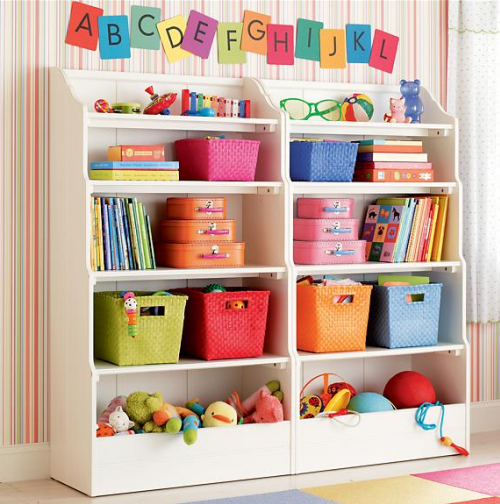 For the most part, right brain kids don’t like to take the time out of their free-spirited play to organize. This can be a big negative because they can get overwhelmed and lose sight of what they were supposed to be doing.