








How Children Learn: 10 Studying Activities for Visual Kids
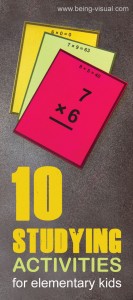 Right brain, visual-spatial individuals are conceptual, non-linear thinkers and they often miss details, struggle with memorization and prefer images over words. Visual students don’t usually test well. Some may even struggle with test anxiety. But there are always going to be tests at school and we need to help our visual kids conquer their fears and improve test scores.
Here are 10 studying activities to help your visual elementary kids study:
- Make learning visual – When classroom material is presented visually, your visual student is already on their way to more successful studying. These learners remember images – not words.
- Write notes – The physical act of writing actually helps visual kids remember. Write very simple notes over and over again to help remember.
- Add Images – Along with writing words, add simple images to help trigger memory. This is great for vocabulary practice. Again, visual kids remember pictures – not words.
- Use color – Add color whenever you can. Take notes in color. Write key words in color. Write on colored notecards. Use a highlighter to help ‘see’ key information.
- Make vocabulary colorful –To practice vocabulary words, write each one on flashcards. Add an image. Use colored markers, or colored notecards. Take the learning even further by using a different color for each syllable.
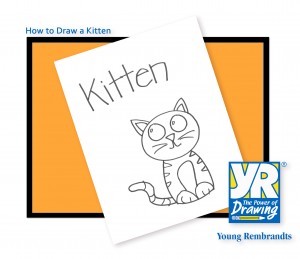 I recorded a few quick and easy “How To Draw” videos to share with you. Each 2 minute video has easy to follow, step by step directions.
 I met with a group of parents to share information about learning styles and ways to help our visual learning children do better in the classroom. A mother seated in the front row had raised her hand and asked that question about her 9 year old daughter.
 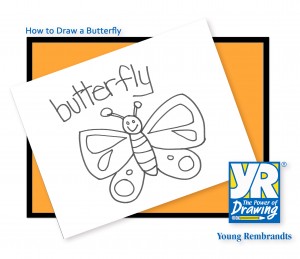 Anyone can learn to draw. I recorded a few “How To Draw” videos to share with you. Each video has easy to follow, step by step directions. Sharpen your pencils and impress yourself – as you learn to draw a butterfly.
 Research has proven that when children participate in art, their test scores are higher. We’re excited to see research is proving what we knew all along, but we don’t do art because it helps with test scores.
 Nature Walk
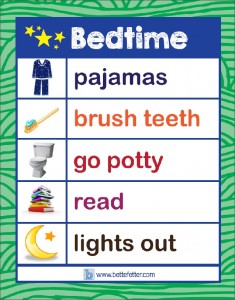 I have enjoyed watching my grandson Brayden grow and manage tasks more independently and to help him, we keep his room well organized and easy to navigate. We also use lists and charts for certain tasks. But when working with kids, and many adults, it helps to make the lists visual.
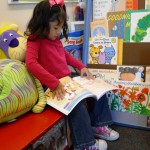 The majority of our students are visual learners, so we need to pay more attention to the development of their visual skills. Our schools are very focused on verbal literacy, but visual literacy is essential to success in the classroom, especially for our visual learners. Visual literacy requires us to be able to read, write and interpret visual images, so we need to help our children gain proficiency.