








Right Brain vs. Left Brain: What Every Parent Should Know
 On this blog, I have written a lot about the idea of being “right-brained” or “left-brained.” This concept, rooted in how our brains work, is often used to describe our children’s cognitive tendencies. But what does it really mean, and how can it help you understand and support your child’s unique abilities?
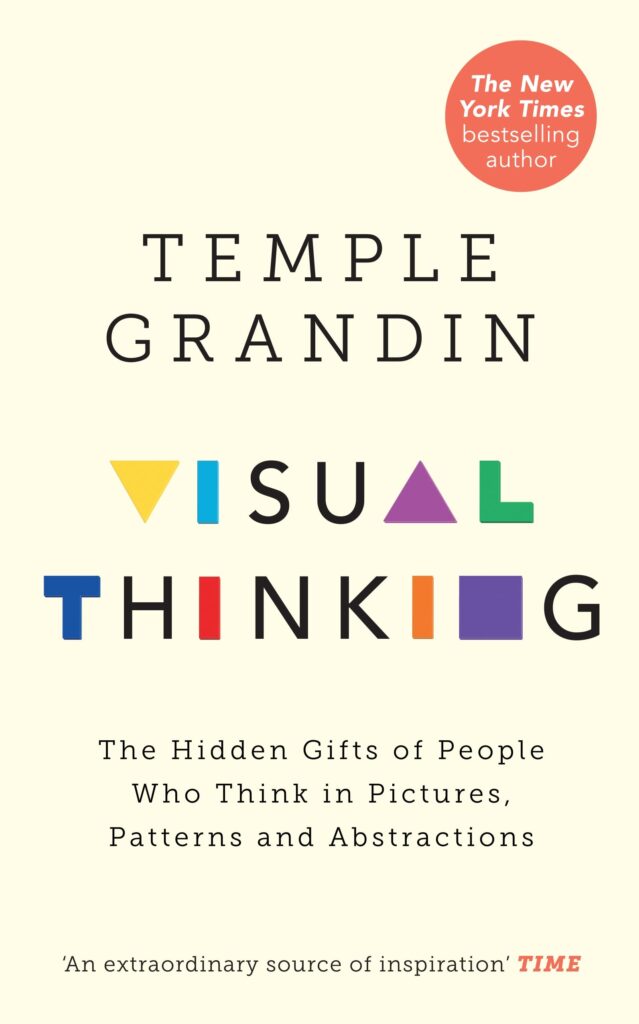 Temple Grandin introduced us to the world of visual thinking as it relates to Autism Spectrum Disorders and other forms of neurodivergence in her first book, Thinking in Pictures. It was also made into a movie that does a great job illustrating what it’s like to be a visual thinker. So, I was so excited to hear that she has just released a new book, Visual Thinking.
 Approximately 11% of children 4 to 17 years of age have been diagnosed with ADD as of 2011, and it’s most commonly diagnosed in 7 year olds. That’s an alarming statistic, but we can turn the negatives of ADD into positives by understanding and applying the success strategies used with visual-spatial learners.
 Homework is going to be a part of your child’s school experience for many years. Whether you have a visual learner just starting school or an older visual learner, I have found lots of great ways to make homework time easier through the years.
 ADD, Attention Deficit Disorder, is used to describe kids who can’t sit still, focus or follow directions, are easily distracted, seem bored and cannot get or stay organized. The good news is – for the majority, none of this is about a deficit – or a disorder.
 Math should be easy for your right-brain conceptual thinker. But, due to traditional teaching methods, visual learners seem to have a hard time grasping math.
  As much as we need to be sensitive to the needs and stresses visual learners face – it’s not time for excuses or a pity party. Visual learners are highly intelligent people that need some help understanding how their mind works and getting in sync with the educational system so they can thrive and really develop.