







Podcast: Does the ADD Label Fit Your Child?
 ADD, Attention Deficit Disorder, is used to describe kids who can’t sit still, focus or follow directions, are easily distracted, seem bored and cannot get or stay organized. The good news is – for the majority, none of this is about a deficit – or a disorder.
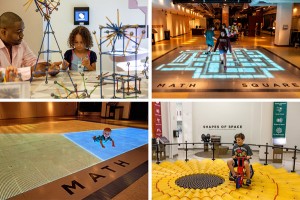 Math should be easy for your right-brain conceptual thinker. But, due to traditional teaching methods, visual learners seem to have a hard time grasping math.
  As much as we need to be sensitive to the needs and stresses visual learners face – it’s not time for excuses or a pity party. Visual learners are highly intelligent people that need some help understanding how their mind works and getting in sync with the educational system so they can thrive and really develop.
  If your child’s a right-brain, visual thinker, they’re creative, spatial, non-linear and intuitive. In our test-heavy education system, however, these children may struggle. Applying these ten tips will make a noticeable difference in your child’s academic accomplishments.
 I want everyone to see the value of a whole brain education and I need your help.
 Visual learners can get so caught up in what they are writing that they miss some of the information coming at them while they are writing. But how can we get them accustomed to writing without making it a chore?
 Creative writing shares many of the same benefits for children as visual arts. It is a wonderful way for your child to use their creative mind and use their imagination. But, it can be difficult for visual kids to know where to start.
  Apps are a great way to get your visual learners engaged in subjects that can be a little challenging at school. Many of these apps are designed to help them think creatively and innovate, skills in which they excel.