








ADD…. Not Always a Deficit!
 Approximately 11% of children 4 to 17 years of age have been diagnosed with ADD as of 2011, and it’s most commonly diagnosed in 7 year olds. That’s an alarming statistic, but we can turn the negatives of ADD into positives by understanding and applying the success strategies used with visual-spatial learners.

 There’s no crying in baseball and no crying doing homework. No crying, no temper tantrums, name calling, finger tapping, deep sighs or stink eye. I’m talking about you, Mom, Dad, Grandma or whoever is helping with homework.
  Reading, writing and taking tests are not the best way for visual thinkers to learn. Download my free eBook and get the ten ways to make learning fun again.
 Homework is going to be a part of your child’s school experience for many years. Whether you have a visual learner just starting school or an older visual learner, I have found lots of great ways to make homework time easier through the years.
 In case you missed them on our Facebook page, here are our can’t miss posts for November.
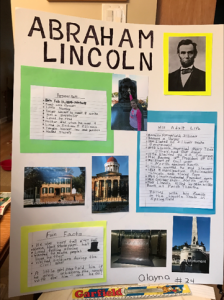 Its one thing to know your child is a visual learner and understand their challenges in the classroom, but once we know it- we have to figure out what we can do to make it better for them.
  Tackling classwork, homework or studying for tests can be a challenge for any parent, especially if you have kids (or are an adult) with a different learning style.
 Why do we expect art technique to be intuitive? Can you imagine going to statistics class and having the professor say – explore? Look at these numbers. Read these new problems and give it a go. Try and figure out how to make numbers do that. No explanation. Not even a text book.