







The Power of Hands-On Learning for Right-Brain Thinkers
 How can we best support our right-brain, creative thinkers in this tech-driven environment? The answer lies in something beautifully simple and timeless: hands-on learning. Whether at school or at home, right-brain thinkers thrive when they can touch, build, create, and experience what they’re learning.
 As parents and educators, one area we don’t always stop to consider is how our children’s unique learning style, especially right-brain thinking, impacts their friendships. Right-brain thinkers are intuitive, emotional, imaginative, and expressive. These children often see the world in pictures and patterns rather than words and numbers. They feel things deeply, pick up on emotional cues quickly, and may communicate in ways that are more symbolic than straightforward. So what does this mean for their friendships?
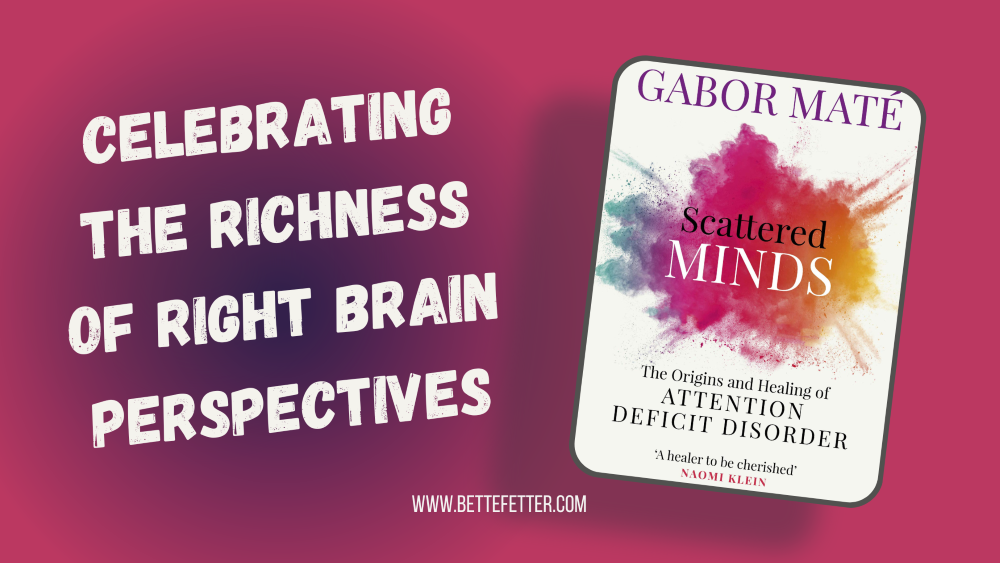 I wanted to share with you an inspiring perspective I recently encountered in the pages of “Scattered Minds” by Dr. Gabor Maté. Dr. Maté paints a picture of ADHD as not just a disorder, but a different way of experiencing the world—one that is characterized by heightened creativity, intuition, and sensitivity to the environment, all traits of right-brain thinkers.
 In today’s rapidly evolving world, the landscape of the workplace is undergoing a profound transformation. The skills once assumed essential for success are expanding beyond traditional academic abilities. As we prepare our children for the future, it becomes crucial to recognize the value of right-brain skills in shaping their success in the workplace.
 As we step into the New Year, embracing organization can be a game-changer, especially for children and adults with right-brain dominance who grapple with internal order.
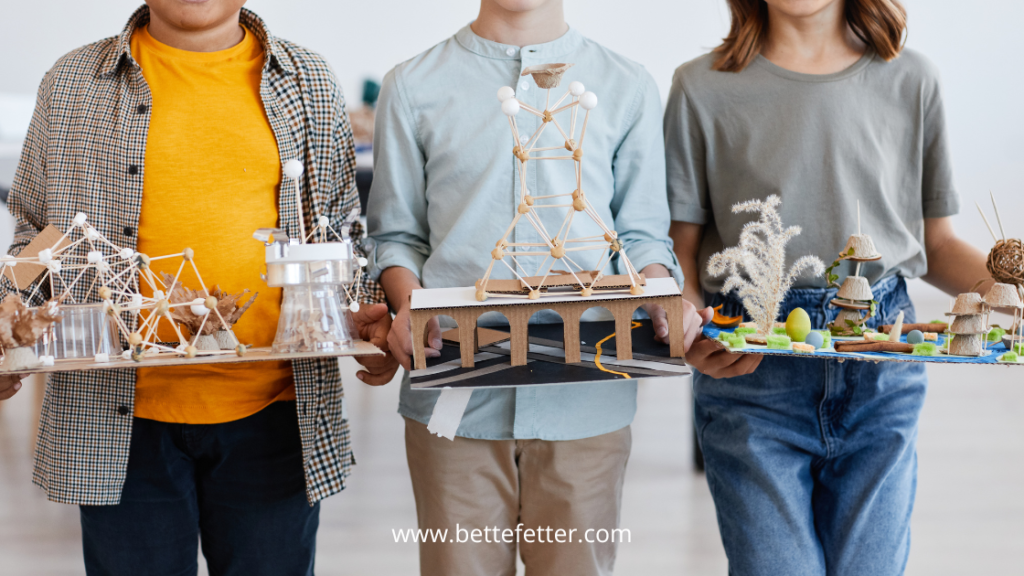 The traditional educational model emphasizes rote learning and standardized testing, geared towards producing individuals adept at following instructions and recalling facts. While essential for building foundational knowledge, this approach often sidelines the development of creative thinking skills. As parents, it’s critical that we actively advocate for the integration of creative thinking into our children’s education.
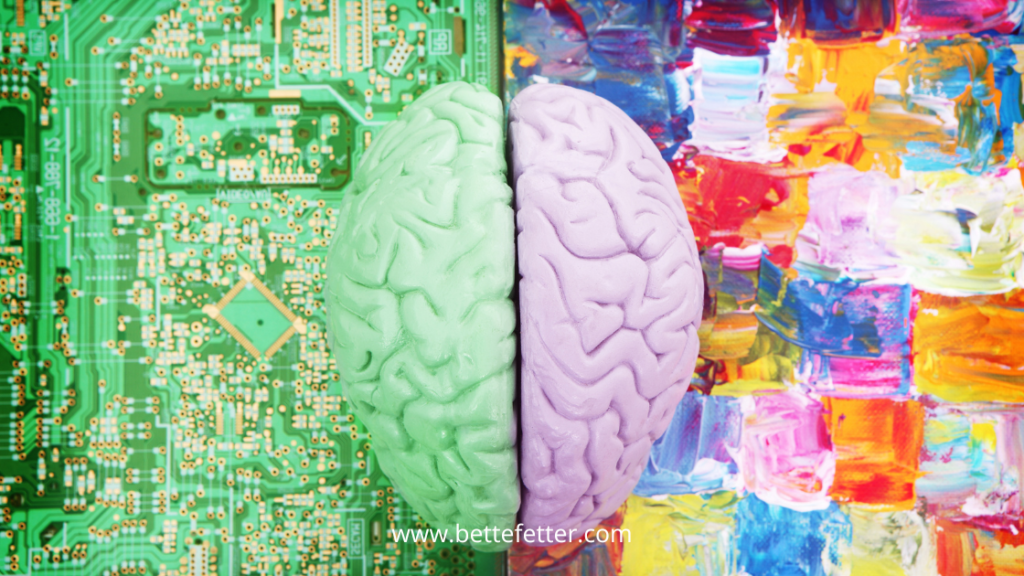 On this blog, I have written a lot about the idea of being “right-brained” or “left-brained.” This concept, rooted in how our brains work, is often used to describe our children’s cognitive tendencies. But what does it really mean, and how can it help you understand and support your child’s unique abilities?
 It’s conference time at many of our schools, and I want to chat with you about approaching them in a different light, especially if you have a right-brain thinker or a child with ADD or ADHD. While it’s crucial to hear the teacher’s feedback on how your child is doing in the classroom, it’s equally important to engage in a conversation about your child as a right-brain thinker.
 Have you ever noticed that when your kids come home from school, they start off all smiles but quickly descend into yelling, crying, and even throwing things, seemingly out of the blue?
 I’ve compiled a list of things that utilize our right brain skills. Try a few to give your right brain a workout.