







Save the After School Enrichments
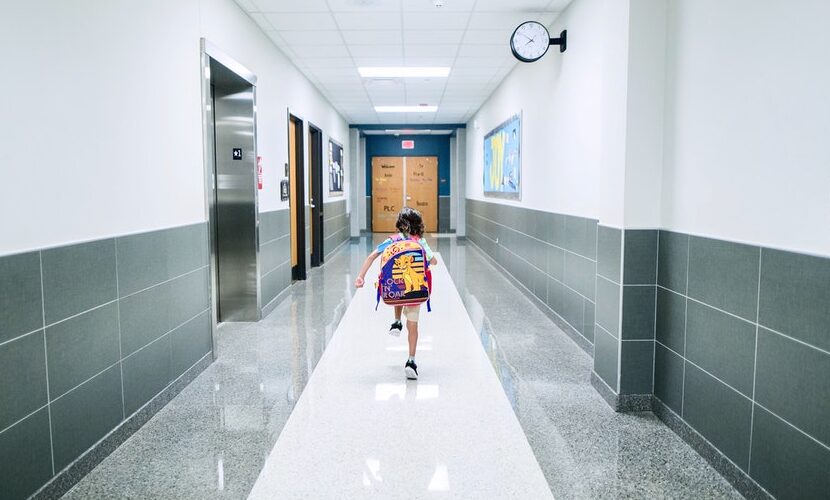 Many families turn to extra curricular activities to provide what their kids need more of. But, due to the pandemic, these programs are in jeopardy. The good news is that most of these programs have been able to pivot to a virtual option.
 At our house, the first subject, of the first day of distance learning, was math and like students everywhere, our student wasn’t doing algebra over the summer, so he was a bit rusty. As you start the school year, notice what subjects or things your student might need to brush up on. Don’t panic.
 Since there are so many people in the house relying on the internet, a weak or spotty signal is not an option. Here are some ways I found to ensure you have great service for school, home and work.
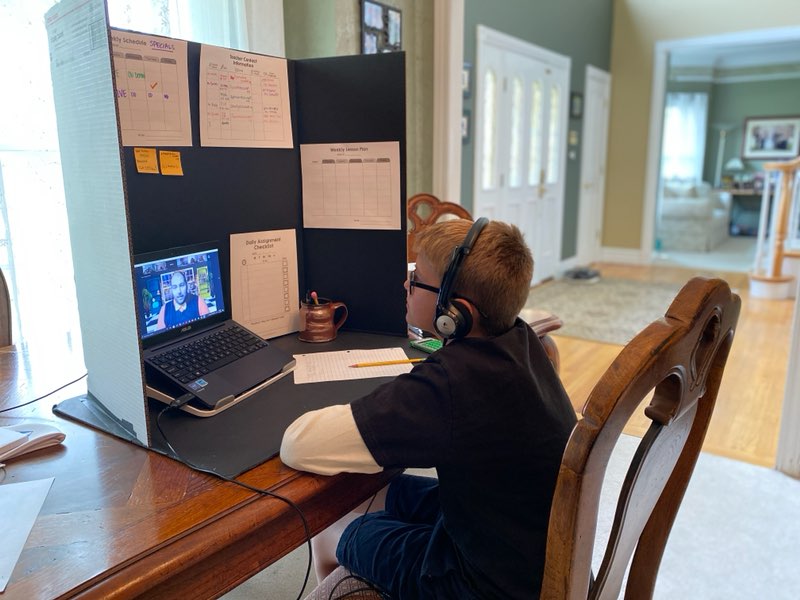 I remember when I was the mom getting 4 young kids dressed, fed and out the door for school, and off to work myself, but for us, getting ready for distance learning with my grandson required NASA level organization.
 This fall, the vast majority of students will be at home for school. So how do we take this to the next level and move from surviving to thriving in the at home classroom?
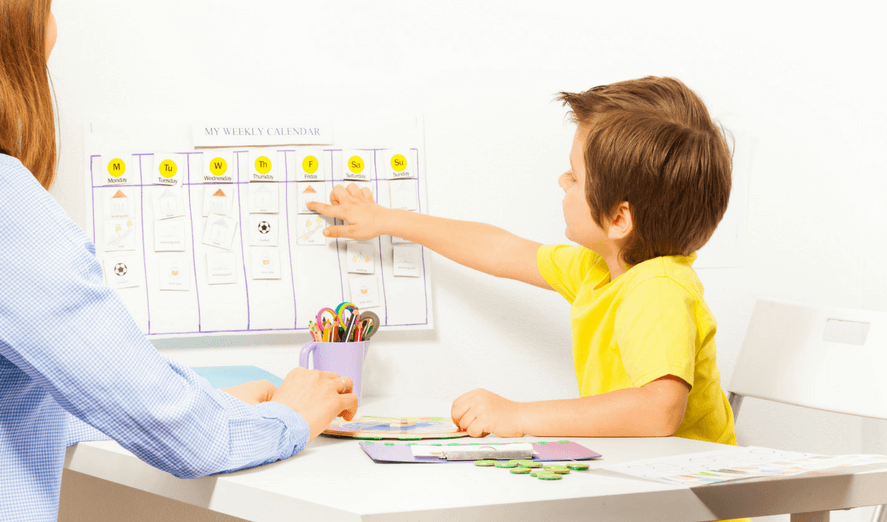 Since it looks like most of our children are going to be doing some form a distance learning this fall, it is going to be imperative that we help them get things organized for success.
 School has definitely changed these last couple weeks. The good news is that our right brain thinkers may have a new opportunity to show what awesome learners they really are! Adapt these tips for relieving the overwhelm of homework to help your right brain thinker both stay on task and learn to love this new school set up.
 I’m on a bit of a rampage today, thinking back to a terrible first grade experience my grandson had. There were plenty, but this one was about test taking. He struggled in first grade. Really struggled.
 Our visual learners are smart. They can do the work school requires, but as visual learners in a left-brain education system many of them are under performing. They would benefit from strategies to develop organizational skills and promote academic self-management.
  Right brain, visual-spatial individuals are conceptual, non-linear thinkers and they often miss details, struggle with memorization and prefer images over words. We need to help our visual kids adapt school to their own learning style to improve academic outcomes. Here are 12 simple ways to adapt learning for your visual child: