







Learning Styles: Reading Directions
Ever wonder why people do the things they do? Why doesn’t your husband read the directions? Why can’t you find anything once you take the time to file the papers in your office? Why do you have to pinch and poke yourself to stay awake during language heavy presentations?
It’s all about wiring. The way our brains are wired has a direct affect on the way we organize or don’t organize; the way we see, think and do and the way we operate at home, school and work. There are three distinct learning styles: auditory, visual and tactile.
Auditory folks are good with words and logical, linear thinking. Visual learners are big picture, innovative thinkers that need to see things. Tactile people take a very hands-on approach to life.
So what kind of thinker are you? There are a variety of learning style tests on-line but here’s a quick question to get you started:
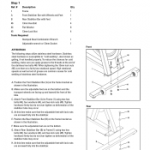
Imagine you just came back from the store with a new cabinet that needs to be assembled. How would you proceed?
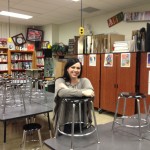 I love the way visual kids express themselves, learn problem solving, see multiple solutions to problems – and the impact the arts have on developing minds. Meet Terra. She makes me want to be 16 again.
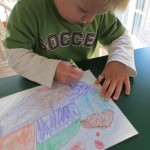 Brayden has the distinct advantage of having drawing classes at home. As the founder of Young Rembrandts, I’ve taught thousands of preschool kids how to draw, but always enjoy special time with my grandson.
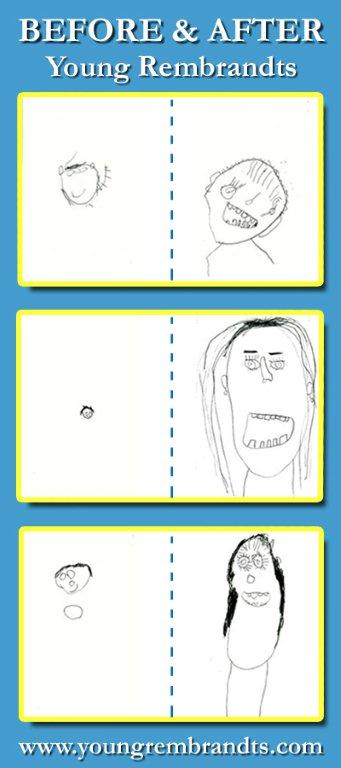 One of my all time favorite things to do is to head into a classroom full of preschool students, sit them around a table and teach them how to draw. That would strike terror into the hearts of most people, but with training and a reasonable expectation of what is possible – it is a most remarkable experience.
 Preschoolers doodle and draw as a form of communication and entertainment. While limited to often rainbows, smiley faces and basic shapes, these innate skills are the beginning of their visual and artistic vocabulary. Young children can benefit greatly from time spent learning to draw. Being trained to see and draw will expand the number of things they can draw, which in turn expands their ability to communicate verbally and visually.
 Preschool Development