For visual learners, who have a party going on inside their minds, organizing the external world goes a long way to help them focus. Helping them calm their minds is essential to future success in school and work. There are lots of ways to organize from organizing the physical environment to creating clear and consistent schedule. Watch as Bette explains the value of order in the life of a visual learner.
In honor of starting the year out right and purging the old to make room for the new, it’s National Organizing Month. We have talked about some great ways to get your visual kids organized in the past and I would like to share those ideas with you again.
This post was originally published January 5, 2015.
Chances are, your kids had more than enough stuff before the holidays – and now, after the holidays, they have way more than enough. Now it’s time to put things in order. Every child needs help getting organized, but for visual kids organizing can be more important and even more challenging.
To make it work for them, use lots of color, boxes, baskets and labels where needed. Follow these four easy steps to creating a much needed organized space for your kids…
Share, Toss, Keep –
Your creative, visual kid probably has a room full of toys, self-made treasures and endless supplies for more. But once in a while – its time to purge the foil balls, scraps of paper, old toys and dilapidated inventions. Make three piles; things to give away, things to toss, things to keep. For younger kids, this is best done without them present – but it’s extremely important you’re sensitive to what’s important to them.
Bucket, Basket, Box –
Everything needs a place to be. Organize their things by activity and place in a container that suits the contents. Building blocks do well in an over-sized basket, building sets can be organized and sorted in plastic drawers and books should be sorted, stacked and easily accessible. Just remember, to a visual kid, the container can matter almost as much as the contents.
Make it Visual –
Visual kids need things to be visual – even the way things are organized. Once you do the sorting and boxing, make it fun, attractive and inviting. Be sure the containers have personality. Use color. Label things with words and pictures. Let your kids add fun personal touches… making things visual also makes it more “kid-friendly”- inviting them to take part gives them ownership in the process.
Swap things out –
Whether it is art supplies, building sets or science kits, there can be too much of a good thing, especially for visual kids. They are curious and love what’s new – manage the amount of activity around them. Keep an age appropriate amount of toys and activities available but put the extras away so you can spice things up from time to time with toys they already have.
Once you have a system in place, get them excited about using it. Let them add the finishing touches. Encourage them to tidy their space every day – so it doesn’t get out of hand.
What are some of your favorite ways to organize?
Do you have a favorite tool?
Does your child respond better to a certain container?
For an easy, visual way to get and keep their clothing organized, download my favorite tool:VISUAL LABELS.
This little guy is just so excited to go trick or treating with the other kids. Sit down and watch this 2 minute video and have a great time discovering the power of drawing! Children aren’t just learning to draw. They’re developing critical learning skills such as attention to detail, increasing time on task, organizing, sequencing and working through a multi-step activity with ease.
Visual people can feel a little bit of anxiety when it comes to writing assignments. Understanding why is half the battle. Since visual learners operate out of the right side of their brains and the right side of the brain is all about pictures, using words to describe these pictures and organizing these words into a coherent body of writing can become a very cumbersome and laborious endeavor. There are definitely some great resources and strategies that can help. Just give yourself some time to figure it out.
When you child enters elementary school they will experience more sitting still, left brain, language oriented learning and much less hands on learning. For visual learners, seeing is learning. They need to have a picture to commit to memory when learning new concepts and they often need help organizing their thoughts. We want to help you help your child operate successfully in the classroom and have designed these activities (freedownloads) with your visual learner in mind. I have created some great visual ways for your child to learn sight words and spelling words, organize their larger writing projects and work on visual organization.
We’ve created a great way to study sight words that emphasizes colors and visual stimulation.This activity is great for beginning readers, and can be adapted for learning vocabulary words in higher grades. Learning to read includes memorizing sight words -basic words children will see again and again when they read. Kids learn best when they see and interact with what they are learning. Making this a fun, visual activity will engage your beginning reader and increase their reading success.
All through elementary school kids will be assigned lists of vocabulary words to memorize. To ensure success, match the style of practice to your child’s learning style. Visual kids learn best by making the words into pictures they can remember. So get out the notecards, colored markers and make the vocabulary words visual. You can even use color to help ‘see’ the syllables. Or draw pictures to coordinate with the words.
Being able to organize things is essential for future success in learning. Why not use something they love already to teach organization? Children with strong spatial skills are drawn to building blocks and Legos. Lego sets can be very simple for the youngest builder, or extremely complex. Young children should start building with larger blocks. As their fine motor skills increase, they can work with smaller and smaller pieces. It’s important to help children learn to organize the Lego pieces visually and learn to follow directions for assembly. Learning to organize with things they enjoy will set the stage for learning in other areas.
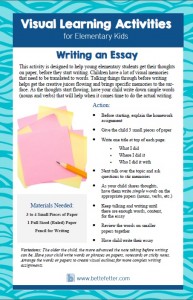
Our writing an essay activity is designed to help young elementary students get their thoughts on paper, before they start writing. Children have a lot of visual memories that need to be translated to words. Talking things through before writing helps get the creative juices flowing and brings specific memories to the surface. As the thoughts start flowing, have your child write down simple words (nouns and verbs) that will help when it comes time to do the actual writing. Using sticky notes makes it easier to rearrange their thoughts to form the most complete organized piece of writing. This doesn’t need to be dry research based writing it is great for story writing as well.
This Independence Day, encourage the knowledge of what this day signifies by having the kids sit down for a few minutes and draw this cartoon soldier. They aren’t just learning to draw. They’re developing critical learning skills such as attention to detail, increasing time on task, organizing, sequencing and working through a multi-step activity with ease. If they like this then they will love Young Rembrandts. Find a class near you, and discover the Power of Drawing.
With all the stuff children have today it is essential for you to help your visual thinker get their space organized. Since there is so much internal activity for visual learners they really need their external environment to be visually soothing and organized. Tune into episode 19 of Living Life as a Visual Thinker, as I give you some great ideas for getting your visual learner’s space organized and calm. You can even have a garage sale to make some money and get rid of some of their old stuff. Get a Kid’s Guide to Organizing.
Once your children have mastered their handwriting, it is time to start some compositional writing. As kids get older they begin to write longer pieces of writing like essays and stories. These pieces need to have an introduction, a body and a conclusion. This takes a great deal of organizational thinking and many children struggle with this, especially visual learners.
Here are three things you can do to help your visual child write their stories:
Build Vocabulary Because visuals are better at pictures than words – you need to be intentional about building vocabulary and language skills. Read to your kids regularly, have them read to you, watch movies together and talk about what they are seeing.
Share Stories Encourage them to share their stories – out loud – at home, at school, into the video camera – whatever way they feel safe. This gives them practice putting their visual thoughts into words in a way that’s comfortable for them.
Make Writing Visual Help visual kids get their thoughts on paper by using note cards, sticky notes and small (less intimidating) pieces of paper. Once they get their thoughts on out, have them create visual outlines by putting the small papers in order. Now it’s time to write.
I have created a simple one page activity to help your child get started writing.
You may have one student in your home classroom or several, one learning style or more; but once you have an understanding of how your children think and learn, you can adapt or adopt teaching techniques that will make it work for everyone.
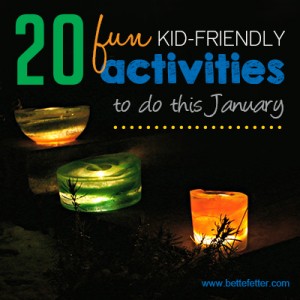
Winter is notorious for being gray and dull. Liven up your shorter winter days with these fun and kid-friendly activities.
The Lego Movie is an entertaining, highly creative commentary on the struggle between the Left and Right side of us – complete with an evil villain who wants order at any cost and a wild and crazy group of right brain creative types!
Chances are, your kids had more than enough stuff before the holidays – and now, after the holidays, they have way more than enough. Now it’s time to put things in order.
I have created some adorable labels for you or your child to put on her drawers so she can easily keep her clothes organized and maybe even help put away her own laundry. Organization is essential for right-brain dominant thinkers that struggle with internal order.
Join me as I describe what it REALLY means to be a right-brain, visual thinker and how that affects kids in school.
Legos are an amazing teaching tool. There are so many different things to build. There are sets appropriate for 5 year olds all the way up to adults. So, learners of all ages can receive the benefits.
For the more right-brain dominant, spatial learner, organizing the pieces by color and shape builds visual organization skills. Looking at the step-by-step picture directions teaches your child to break down the large, completed project into small, attainable pieces. Learning to follow these simple steps and complete the entire project increases your child’s confidence in her abilities.
In addition to the benefits that visual-spatial learners receive from building lego sets, sequential learners can also benefit from creating without a plan. Sequential learners do best when given a set of steps to follow but what happens when you take away those directions? Encourage your child to think of something to build. Then, help him figure out the steps to create it. He may need a little help with the idea portion at first. Use the picture on the box as inspiration. This exercise will help develop big-picture, conceptual thinking in your left-brain dominant, sequential learner.
I have made an easy, one page activity sheet to get you started on your Lego adventure! Click the picture to download it now.
Get the best tips to make homework and learning easier for everyone especially the visual learner and make it easy for you to stay ahead of the curve and keep your child on top.








 Bucket, Basket, Box –